Add Row
Add Element
cropper
update
Ai SEO Podcast
update
Add Element
  • Home
  • Categories
    • Lead Generation
    • Ai Content Creation
    • Cast Studies
    • Ai SEO Tools
    • SEO For Beginners
    • SEO TRENDS
    • RANKING WITH AI
    • AI CONTENT STRATEGIES
    • AI SEO NEWS
    • AI SEO Experts
    • Extra News
February 14.2025
3 Minutes Read

How Google AI Overviews Redefine Search: What Marketers Must Know

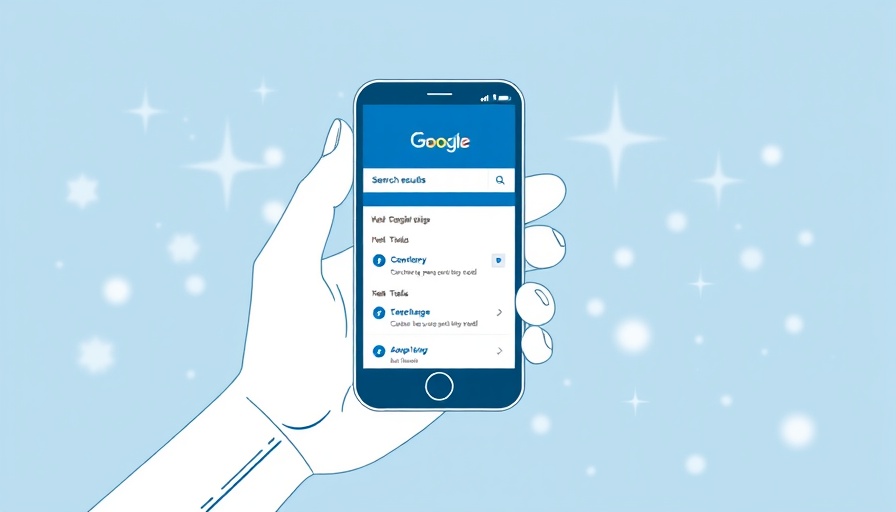
Simplistic illustration of Google search on a phone, Google AI Overviews graphic

How Google AI Overviews Revolutionized Search Dynamics

The ever-evolving landscape of artificial intelligence (AI) is leaving its mark on virtually every industry, and digital marketing is no exception. Google's introduction of AI Overviews represents a pivotal shift in how users interact with search engines and seek information online. Whether you're a small business owner, a marketer, or part of an agency, understanding these changes can help you stay ahead of the competition.

What Are Google AI Overviews?

Google AI Overviews (AIOs) are AI-enhanced snippets that seamlessly integrate at the top of search engine results pages (SERPs). This innovation emerged from Google’s Search Generative Experience (SGE) initiative, launched in May 2023, which was designed to deliver immediate answers to user inquiries effortlessly. By collating information from multiple sources, AIOs provide users with concise yet comprehensive responses, allowing them to forgo navigating to various websites for answers.

A Historical Overview: From SGE to AI Overviews

The transition from SGE to AI Overviews marked a significant leap in how Google handles search queries. Initially announced at Google I/O 2023, the SGE opened for public testing shortly after. As of March 2024, AI Overviews began appearing in live Google search results, marking a departure from traditional search behaviors. During the 2024 Google I/O, the service further evolved, officially rebranding SGE into AI Overviews—a much-anticipated change in the realm of search engine optimization (SEO). This evolution implies that SEO strategies must adapt quickly to accommodate new search paradigms.

The Implications for Marketers and Small Business Owners

The most pressing concern among marketers is the potential reduction of website traffic as Google provides direct answers within search results. While AIOs enhance the user experience by answering queries instantly, they simultaneously present challenges—lessening clicks to external websites. This presents a cause for concern for business owners whose revenue strategies hinge on web traffic. As explored by Pierre DeBois in a recent analysis, adapting to these changes means shedding traditional keyword-focused approaches and embracing context-based optimization strategies.

Understanding Search Labs and AI Overviews

Search Labs represents Google’s trial ground for innovative search features. By participating, users gain early access to enhancements, including AI Overviews. This testing phase not only helps refine the service but also provides valuable insights into how AI can streamline user queries. It has led to the introduction of various features—ranging from Google Vids to Ask Photos—each enhancing the search experience. Marketers must keep abreast of these changes, as they underscore the importance of being agile in their strategies.

The Rise of AI Overviews Across Industries

Research indicates that AIOs are particularly effective in niche markets. According to SE Ranking, AI Overviews are most prevalent in sectors like Relationships (54.84%), Business (38.84%), and Food & Beverage (37.14%). The AI system is still at its infancy stage, making it imperative for businesses to optimize for this trend early on. As the AI landscape evolves, understanding the nuances of how AIOs operate can position marketers to capitalize on the emerging opportunity.

Risk Factors and Strategic Adjustments Needed

While the AI revolution promises new opportunities, it also presents challenges, particularly concerning the traditional business model rooted in organic traffic. Marketers must now consider how to balance between optimizing for AI Overviews while maintaining brand visibility on traditional search result pages. This shift may involve reevaluating content strategies to prioritize high-quality, authoritative materials that can still funnel traffic effectively, despite potential declines in clicks. Protecting and enhancing service quality in the age of AI must also remain a priority for businesses.

Conclusion: Adapting to the Future of Search

As we move through the AI era, ensuring that your marketing strategy evolves alongside technology is of utmost importance. While Google AI Overviews might appear as a formidable challenge, they also provide a unique opportunity for those willing to adapt and innovate. By embracing the changes and recalibrating strategies to align with these new dynamics, businesses can effectively harness the power of AI in improving customer engagement and satisfaction.

AI SEO NEWS

Write A Comment

*
*
Related Posts All Posts
12.04.2025

AI Transforms Search: Insights and Trends Impacting Small Businesses

Update The Search Landscape Shifts: Understanding the Current Volatility As we dive into this week’s latest search developments, it’s evident that the Google Search rankings are experiencing some significant shifts. Market volatility isn’t just a trend; it's part of an ongoing evolution in how consumers engage with online content. During the past few days, chatter within the SEO community has intensified, with discussions pointing towards signs of a Google Search ranking update. This renewed volatility can be attributed to a combination of ongoing adjustments made by Google and new functionalities that are reshaping user interactions. Google’s Delays: Impact on Marketers and Small Business Owners While the search engine's dynamic changes may sound compelling, they bring about challenges—particularly when Tools like Google Search Console seem to be lagging behind. Performance reports are currently 32 hours delayed and indexing reports have seen about two weeks of setbacks. For small business owners and marketers, understanding these delays is crucial. Operating amidst erratic data can hinder strategic planning, especially when timely insights are imperative for maintaining competitive advantage online. AI Revolution: Integrating Tools into Marketing Strategies The powerful shift within search is directly intertwined with AI advancements. Google Discover is now enhancing its user experience by integrating features that allow searches to transition smoothly into AI Mode. The implication here is clear: marketers need to embrace these AI-driven tools not just as novelties, but as staples in their online strategies. As consumers start interacting with AI features more deeply, the manner in which brands connect with audiences must adapt accordingly. WhatsApp Notifications in Google Ads: A Game-Changer? In another notable development this week, Google Ads is testing WhatsApp support notifications. This potentially transformative feature offers advertisers an innovative avenue for real-time communication with clients. Imagine a small business being able to send support updates or promotional messages directly to their customers’ WhatsApp. This could significantly enhance customer engagement and sales potential, especially among younger demographics that favor communication apps. Microsoft’s Bold Steps: Innovations Ahead of Google Microsoft continues to push the boundaries by testing a new search bar with advanced tools in Bing, which further illustrates the competitive nature of the search industry. Their focus on enhanced functionality echoes the industry’s trend of integrating AI into user interfaces, aiming to provide users with more effective tools. For small business owners, the takeaway is clear: staying updated on these innovations will be essential. Companies must ensure that their marketing strategies are not only adapted to Google’s movements but also responsive to changes on platforms like Bing. Future Trends: Preparing for AI and Search Integration As we analyze Google’s shift towards AI tools, including its groundbreaking Gemini assistant, businesses must reframe their understanding of what search means for their marketing strategies. According to recent reports, AI chatbots have found their footing as leading search queries, indicating a clear transition from traditional search activities to instinctively seeking AI assistance. For brands, anticipating this shift could be the key to staying ahead—leveraging AI to enhance consumer engagement and streamline marketing efforts. This ongoing evolution within search and marketing emphasizes the urgency for businesses to adapt. These developments give marketers the opportunity to rethink how they engage with their consumers, using AI-powered tools to enhance customer experiences. Being at the forefront of these changes presents a prime opportunity for small businesses to rise above the competition.

12.03.2025

Google Ads Channel Reporting for PMax: New Insights for Marketers

Update Google Ads Revolutionizes Channel Reporting for Performance Max Users In a significant move to enhance transparency and performance tracking, Google has begun rolling out channel reporting for Performance Max (PMax) campaigns. This update, initially announced in May and now live for select advertisers, offers in-depth insights into how campaigns are performing across Google's extensive advertising channels. Unlocking New Insights: What the Update Means With the new channel performance reporting, advertisers gain visibility into the search partner network, enabling them to assess the effectiveness of each channel engaged in their campaigns. Aleksejus Podpruginas, an industry expert, shared on LinkedIn that he could see the updated performance metrics live in some of his accounts, emphasizing the importance of this new tool in understanding overall campaign results. This reporting feature consolidates performance data into a single interface, displaying detailed metrics such as click-through rates, conversion values, and channel contributions to overall goals. Advertisers can now drill down into specific channels, whether it's YouTube, Display Network, or Gmail, and determine which platforms yield the highest returns. Empowering Decision Making for Small Businesses Small business owners and marketers can take advantage of these insights to make informed decisions about where to allocate their advertising budgets. For instance, if a home and garden retailer discovers through this new reporting that their ads are performing particularly well on YouTube, they may consider reallocating resources to focus more heavily on these channels. Understanding channel-specific performance can directly influence strategy, improving ROI and conversion rates. Enhanced Features and Accessibility The rollout doesn’t just stop at basic metrics. Google has integrated several user-requested features: bulk reporting capabilities allow users to download performance data across all PMax campaigns readily. New customization options, including ROI columns and segmentation by conversion action or ad event type, empower advertisers to refine their strategies further. Additionally, the new diagnostics feature highlights potential limitations, such as ads being restricted by budget or serving on channels that do not align with a business's objectives. This ensures that marketers can promptly address any issues that may hamper campaign performance and optimize their approaches to digital advertising. Preparing for the Future of Advertising As the digital marketing landscape continues to evolve, leveraging these new reporting features will be critical for businesses looking to stay competitive. Those who embrace the changes and adapt their strategies accordingly are poised to see enhanced performance from their campaigns. As more small businesses integrate AI-driven tools into their marketing strategies, the insights derived from channel report metrics will only become more valuable. This innovative shift towards better transparency not only assists advertisers in achieving their goals but also enriches their understanding of consumer behavior across various platforms. Final Thoughts and Call to Action The introduction of channel performance reporting for Google Ads’ Performance Max campaigns marks a pivotal shift in how advertisers can measure success and strategize for future campaigns. Business owners and marketers should seize this opportunity to dive deep into the insights provided, harnessing them to maximize their advertising efforts. If you want to learn more about optimizing your online marketing strategies using AI, consider registering for our upcoming workshops and webinars designed specifically for small businesses looking to enhance their digital marketing expertise.

12.02.2025

Celebrating 22 Years Covering the Search Industry: Insights and Future Trends

Update A Journey Through 22 Years of Search Innovation Today marks a remarkable milestone in the world of digital marketing: the 22nd anniversary of Search Engine Roundtable. This site, started by a passionate marketer at just 23, has since transformed into a pivotal hub of information for search engine optimization (SEO), pay-per-click (PPC), and artificial intelligence (AI) in marketing. The consistent effort over these years—publishing multiple stories daily—showcases not just dedication, but also the ever-evolving nature of the search industry. The Evolution of Search and AI's Impact In the past two decades, the landscape of online search has shifted dramatically. From the early days of simple algorithms to today’s complex AI-driven inquiries, the pace of change has always been rapid. The emergence of AI has further accelerated this transformation, fueling a surge in topics that are not just foundational for marketers but crucial for the survival of businesses in a digitally dominated market. For small business owners, staying abreast of these shifts isn’t just advantageous; it’s necessary for competitive survival. Insights from 22 Years of Analytics The recent analytics reveal fascinating trends: with an 11% increase in active users yet a decline in page views by the same percentage, it opens a dialogue about user engagement tactics and content strategies. Social traffic dropping by 40% is a wake-up call that must compel businesses to rethink their online presence. Does this signify a pivot in audience preferences, or is it indicative of broader algorithm changes on platforms like Facebook and Instagram? Marketers must pivot quickly to adapt to this new reality. Congratulations and Challenges for Marketers One significant highlight is the 21% increase in direct traffic, hinting at a growing brand loyalty that could become crucial amidst this changing digital climate. As marketers and small business owners, how can this context shape your strategy? Building trust and relationships with your audience is more important than ever, as the analytical and emotional links between businesses and consumers deepen. Notably, video content continues to dominate, as indicated by over 300,000 subscribers on the YouTube channel associated with the site. Engaging through video is no longer optional—it’s a significant pillar of effective marketing. Lessons Learned for Future Success As we contemplate these two decades' worth of insights, it becomes clear that adaptability is key. The integration of AI tools in SEO strategies is not just the next big thing; it’s a necessary evolution. Small business owners should actively explore and implement AI-driven SEO practices to streamline their content creation and ensure they remain competitive. Platforms that leverage AI for tailoring user experiences can potentially yield higher engagement—something that legacy practices can no longer guarantee. Empower Your Marketing Strategies Today Through this reflective journey, it’s essential for marketers and agencies alike to understand the pathway ahead. Continuous learning, leveraging AI capabilities, and applying strategic adjustments based on real-time analytics will pave the way for future marketing successes. Adopting new tools is paramount, as while AI rapidly matures, it retains the promise of enhancing efficiency and effectiveness across marketing disciplines. As the landscape of online marketing is in perpetual flux, now is the time to take action and reassess your strategy. Consider how your business can leverage AI to enhance user engagement, optimize content, and improve your marketing techniques. Harness these insights into action, and let them guide you toward a more successful future in the evolving digital marketplace.

Terms of Service

Privacy Policy

Core Modal Title

Sorry, no results found

You Might Find These Articles Interesting

T
Please Check Your Email
We Will Be Following Up Shortly
*
*
*