cropper
update
Ai SEO Podcast
update
  • Home
  • Categories
    • Lead Generation
    • Ai Content Creation
    • Cast Studies
    • Ai SEO Tools
    • SEO For Beginners
    • SEO TRENDS
    • RANKING WITH AI
    • AI CONTENT STRATEGIES
    • AI SEO NEWS
    • AI SEO Experts
    • Extra News
April 16.2025
3 Minutes Read

Navigating the Rising Google Search Ranking Volatility: Essential Updates for Small Business Owners

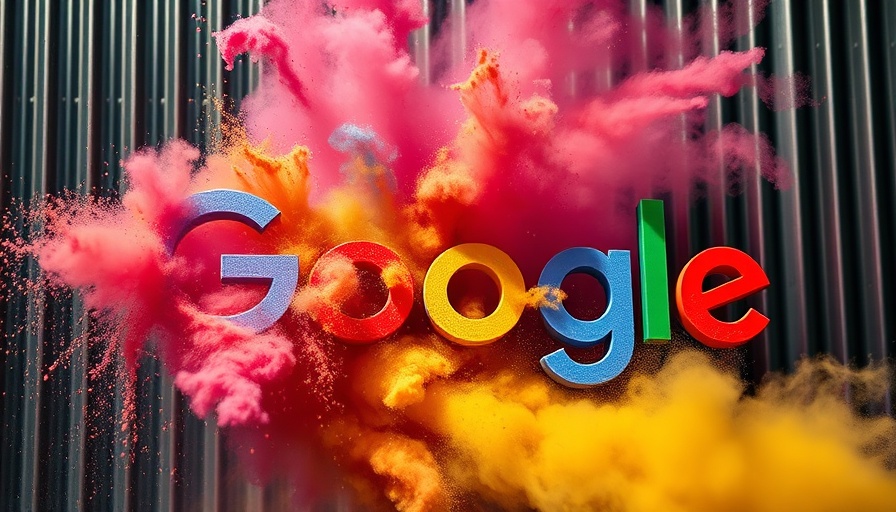
Dynamic Google logo with colorful dust effect, symbolizing search ranking volatility.

The Rising Tide of Google Search Ranking Changes

As an ever-evolving giant in the digital landscape, Google continuously pushes the boundaries of what it means to rank effectively in search results. Recent reports of intensified volatility in search rankings—particularly around April 16th—have stirred the SEO community, eliciting both concern and curiosity among small business owners, marketers, and agencies alike.

What’s Driving the Recent Ranking Volatility?

This latest surge in ranking fluctuations appears to align with several underlying tensions within Google’s algorithms. SEO tracking tools, including Semrush and Mozcast, recorded significant spikes in activity, indicating that websites are being reassessed as Google refines its search parameters. While some website owners report a drop in traffic, others are experiencing an uptick, demonstrating that Google's algorithm updates are rolling out unevenly.

Community forums, such as those on WebmasterWorld and Black Hat World, echo these sentiments, revealing a diverse range of experiences. Users have reported feeling as if their websites are under siege: 'First heavy traffic, then suddenly stop and nothing works anymore' lamented one frustrated marketer. This uncertainty has many questioning if they are truly in control of their online presence or merely at the whim of Google's latest algorithm changes.

Is Your Website Feeling the Heat?

For small business owners and marketers, these fluctuating rankings may feel daunting. Understanding the implications of a ranking update is crucial to adjusting strategies in real-time. The nature of this recent volatility suggests that websites with outdated designs or non-SEO-friendly structures might be adversely affected. Reports indicate that sites failing to meet modern user expectations—like responsiveness and speed—are suffering from lost visibility in search results.

It’s essential for businesses to examine their website analytics to quantify any shifts in traffic. If your site has been significantly impacted, it may be time to reassess your online strategies. Consider optimizing your website’s design and integrating best practices in SEO to improve your chances of ranking favorably.

A Glimpse into Future Trends in SEO

As Google continues to evolve its search algorithms, the industry must pay close attention to emerging trends. The AI revolution is influencing how users search and what they expect from their results. As machine learning gains prominence, optimizing content for AI-focused searches becomes vital. Future updates may prioritize high-quality content that is not only informative but deeply engaging for users.

Moreover, businesses should explore AI-driven tools designed for SEO analysis, which can aid in adjusting your strategy according to changing algorithms. By leveraging these advanced technologies, small business owners can create content that resonates with both users and search engines, enhancing their chances of succeeding in an increasingly competitive online space.

The Emotional Impact of SEO Changes on Business Owners

The emotional toll of watching one's website flounder in the search rankings cannot be underestimated. Many business owners pour their heart and soul into their digital identities, and sudden changes can leave them feeling disheartened, anxious, and out of control. Remember, this fluctuation is part of a larger landscape driven by human behavior and digital trends.

To combat this stress, business owners should engage in a community—whether through forums, social media, or local meetups—to share insights and strategies with peers undergoing similar challenges. This communal support can bolster resilience and inspire innovative solutions to navigate the unpredictable waters of SEO.

Take Action and Adapt

In the world of digital marketing, adaptation is key. As volatile search rankings become the norm, small business owners must embrace agility in their SEO strategies. By continuously monitoring performance analytics and algorithm updates, businesses can anticipate changes and react before they become detrimental.

As we evolve alongside Google, remember to prioritize quality, user-centric content that aligns with the expectations of today’s internet users. Armed with the right strategies and a network of support, your business can not only survive but thrive amid the uncertainties of SEO.

Stay informed and proactive; the health of your digital presence depends on it.

SEO TRENDS

0 Comments

Write A Comment

*
*
Please complete the captcha to submit your comment.
Related Posts All Posts
04.24.2026

How Google's Latest AI Updates Will Transform Small Business Marketing

Update Google's Search Dynamics: A Shifting Landscape for Small Businesses In a world where AI increasingly influences online interactions, Google is adopting significant changes that small business owners, marketers, and agencies need to be aware of. On April 24, 2026, key developments emerged in the search forums that spotlighted how search behaviors and algorithms are adapting to the presence of artificial intelligence. Goodbye Spam Reports with Personal Data One of the most noteworthy updates announced by Google is the decision to stop processing spam reports that contain personally identifiable information. Liz Reid, Head of Search at Google, addressed backlash from the community and clarified that this approach aims to protect user privacy while still addressing concerns about spam. AI and the Evolution of Search Queries Reid shed light on the increasing trend of users submitting longer, more natural language queries in search results. This trend indicates a dramatic shift from brief keyword-driven searches to more complex inquiries. Small businesses must evolve their content to not only match keywords but to anticipate the deeper intent behind users' questions. Understanding user context is now crucial for visibility in search results. Audio Overviews: A New Dimension in Search Results Google is currently testing audio overviews, which provide concise audio summaries in search results, marking a significant evolution in how information is presented. As this feature becomes standard, the implications for marketers and small businesses will be profound, as quick audio snippets could streamline user navigation. Business Profiles and Content Standards Another update affecting small businesses is the sorting of Google Business Profile photos by recency, making it essential for companies to consistently update their online presence with fresh content. With the rise of AI-generated content, it's imperative that businesses focus on creating unique, engaging material that stands out among standard web outputs. The Importance of User Experience and Engagement In a time of ranking volatility, Google emphasizes the importance of genuine user engagement and satisfaction. Businesses need to adapt by developing comprehensive content strategies that not only attract customers but also keep them engaged. As the web landscape evolves with AI, the quality of content emerges as a focal point. According to Google, AI Overviews should assist users in their journey rather than replace website click-throughs entirely. A Look into Google's AI Mode Fix An interim fix is underway for a bug in Google's AI Mode that has been altering title links. Industry insiders like Lily Ray have pointed out how these bugs can drastically affect how consumers interact with search results, thereby altering traffic patterns. Marketers should stay vigilant and prepared for the potential impacts on their search visibility. Strategies for Leveraging AI in Marketing As these changes unfold, small businesses should focus on integrating AI insights into their marketing strategies. This might involve utilizing tools that analyze AI-driven user intents or producing content that encapsulates a broader range of queries. Websites should create rich, interactive content that goes beyond quick answers and helps users delve deeper into solutions. Conclusion: Adapting to the AI-Driven Search Era As the landscape of search continues to evolve, small business owners and marketers must embrace these changes and adapt their strategies accordingly. Keeping abreast of changes in algorithms, search patterns, and user expectations will be crucial in maintaining visibility in an increasingly competitive market. Now is the time for businesses to rethink their digital presence and investment in content that reflects real user needs.

04.23.2026

Navigating Google’s Changing Landscape: Insights on Ranking Volatility and Content Creation

Update Google's Ranking Volatility: What Marketers Need to Know The search marketing landscape is ever-changing, and Google’s algorithms often play a pivotal role in shaping its trajectory. Recently, signs of increased ranking volatility have emerged, as detailed in various search forums. This volatility isn't just an observation but a call to action for small business owners, marketers, and agencies to stay vigilant and adaptable. Understanding these fluctuations can directly impact marketing strategies and help brands maintain a competitive edge. Understanding Commodity vs. Non-Commodity Content At a recent Google Search Central event, Danny Sullivan emphasized the importance of crafting unique, authentic content over what he classified as commodity content. In an environment where everyone might churn out the same insights, standing out becomes essential. This entails moving beyond generic copy that would fail to engage customers. For small businesses, it means understanding their unique story and translating that authenticity into their marketing efforts, thereby creating meaningful connections with their audience. Moderation in Google Review Replies: Implications for Local Businesses One of the most significant updates to Google’s functionality is the moderation of local review replies. Previously, responses from business owners were instantly visible, but now they may be held for approval. This shift can impact how businesses interact with their customers online and underscores the importance of responding thoughtfully to reviews. It invites business owners to foster authenticity in their interactions, which is crucial in a world increasingly driven by online reputation. Examining Google’s Gemini Project: A Revolutionary Change? Google’s recent move to integrate Gemini features within Chrome tabs is another innovation marketers should watch closely. As Google elevates features like Deep Search and image creation, small businesses could leverage these advancements to enhance user engagement. Future marketing strategies may revolve around how these new tools influence consumer interaction, allowing brands to appeal more creatively to their audiences. For marketers, embracing these changes early on could mean capitalizing on opportunities before competitors catch on. Adapting to the Latest Changes in Google Ads API The release of Google Ads API version 24 brings significant updates, from changes to travel feeds to demanding generation. With dozens of updates rolled into this version, marketers must adapt their strategies accordingly to maximize their advertising efficiency. This large-scale update should signal to all brands the importance of keeping their digital toolbox up-to-date. For small business owners, the strategic use of the new tools could enhance their reach, leading to improved conversion rates. Future Predictions: Preparing for Loosening Google Standards As the digital landscape continues to evolve, it’s essential to keep an eye on future predictions for the search engine's performance. With AI and machine learning becoming integral to Google's platforms, businesses should anticipate the gradual alteration of content standards. The push towards unique content means that those who evolve with these changes will have the upper hand in digital marketing. Conclusion: Embrace Change to Stay Relevant As the digital marketing landscape shifts with Google's new updates, small business owners and marketers must stay informed and agile. By adopting innovative practices and focusing on authenticity, businesses can address current fluctuations and prepare for the future effectively. Ready to navigate this ever-evolving terrain? Embrace the changes brought forth by Google, and let your marketing strategies reflect this dynamic environment.

04.14.2026

Understanding Google's New Back Button Hijacking Policy: Essential Insights for Small Business Marketers

Update Google's New Spam Policy: A Game Changer for SEO April 14, 2026, marks a significant shift in how Google is addressing manipulative practices on the web, specifically the deceptive act known as back button hijacking. This new addition to their spam policies not only aims to safeguard user experiences but also reshapes the digital landscape for webmasters, marketers, and small business owners alike. What is Back Button Hijacking? Back button hijacking is when a website interferes with the browser's navigation controls to prevent users from returning to a previous page. It manipulates user behavior by redirecting them to unwanted pages or advertisements when they attempt to click the 'back' button. Google emphasizes that this behavior breaks fundamental user expectations and inherently deceives users. As per Google's announcement, enforcement of penalties against such practices will begin on June 15, 2026, giving a two-month period for site owners to rectify potential issues. Why Now? The Timing Behind Google's Decision Google's proactive approach comes in response to an uptick in back button hijacking incidents across the web. Citing user reports that indicate rising frustration due to such practices, Google aims to re-establish trust within their search ecosystem. By acting decisively against these manipulative behaviors, Google hopes to enhance user experience, attracting more genuine traffic to victim sites while discouraging deceptive practices. Implications for Small Businesses and Marketers For small business owners and marketers, this policy underscores the importance of transparent and ethical navigation practices. As businesses increasingly rely on websites for customer engagement, failing to align with Google’s updated policies could lead to reduced visibility in search results. Ignoring these guidelines could not only impair a business's reputation but also its bottom line, making compliance not just a legal obligation but a strategic necessity. Lighting the Way: Ensuring Compliance Given the looming enforcement, business owners should start conducting audits of their websites to identify any scripts or practices that could inadvertently result in back button hijacking. Google has indicated the potential for penalties affecting not only site owners but also third-party developers including those who manage advertising tools and libraries that could mislead users. Enhancing website compliance isn’t merely about avoiding penalties; it’s about building trust with your audience. The Role of AI in Enhancing UX and SEO As digital landscapes evolve, the integration of AI into SEO strategies becomes increasingly vital. AI technologies can help in optimizing user experiences by analyzing user behaviors and streamlining navigation paths, ensuring that businesses remain compliant with Google's policies while effectively attracting organic traffic. Companies should leverage AI capabilities to understand audience dynamics better and enhance interactions on their websites. Final Thoughts: Navigating the Future of Search Marketing With the introduction of Google’s back button hijacking policy, the landscape for marketers, especially for small business owners, is shifting towards a more ethical approach to user engagement. As this trend continues, those who prioritize transparency and user-centric design will likely find their efforts rewarded with boosted search visibility and enhanced customer loyalty. As you prepare for these changes, consider how your organization can leverage AI and ensure user-friendly navigation practices that comply with Google's latest policies. It’s an opportunity not only for compliance but for innovation that can redefine your marketing strategies and deepen customer connections. Stay informed about new trends and changes in SEO practices by subscribing to our newsletters.

Terms of Service

Privacy Policy

Core Modal Title

Sorry, no results found

You Might Find These Articles Interesting

T
Please Check Your Email
We Will Be Following Up Shortly
*
*
*