
Add Row
Add Element
cropper
update
Ai SEO Podcast
update
Add Element
  • Home
  • Categories
    • Lead Generation
    • Ai Content Creation
    • Cast Studies
    • Ai SEO Tools
    • SEO For Beginners
    • SEO TRENDS
    • RANKING WITH AI
    • AI CONTENT STRATEGIES
    • AI SEO NEWS
    • AI SEO Experts
    • Extra News
January 09.2025
3 Minutes Read

Revolutionizing Marketing Campaigns: How AI Is Taking Over Print and Digital Strategies

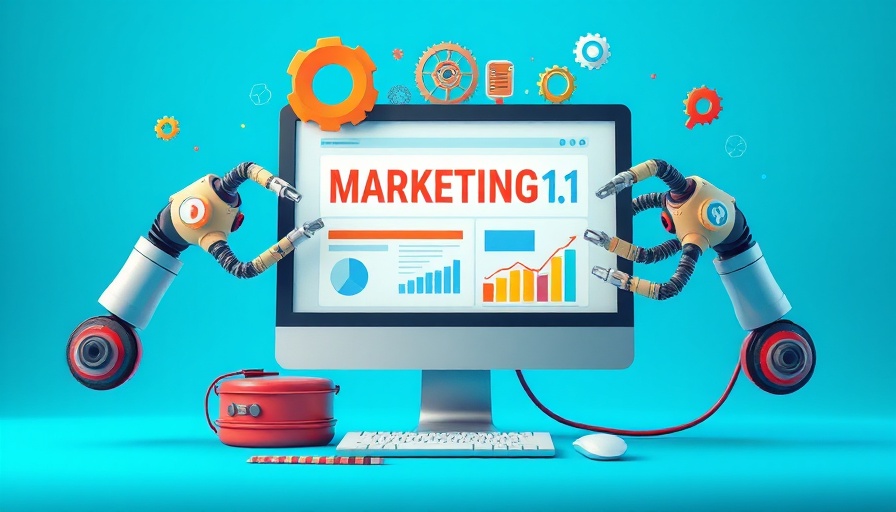
Illustration of marketing automation with robot arms and computer.

Revolutionizing Marketing Campaigns: How AI Is Taking Over Print and Digital Strategies

Understanding the Shift to Automated Marketing

If you’re riding the wave of modern marketing, you’ve probably heard of the emerging role of automation in advertising campaigns. Both print and digital marketing are experiencing a technological makeover, thanks to innovations like artificial intelligence and machine learning. Gone are the days when marketers manually segmented audiences or painstakingly tracked campaign performance. Today's tools, like Robotic Marketer, offer complete solutions that leverage AI to transform how marketing strategies are crafted and executed.

The Perks of Automating Your Marketing

Now, you may be wondering why your business should care about automation. Well, the allure of increased efficiency and razor-sharp accuracy in your campaigns should catch your attention. Automation frees up your time, letting machines handle repetitive grunt work like scheduling emails or posting to social media, allowing marketers to focus their creative energies elsewhere. Plus, automation tools ensure error-free targeting, so you’re always delivering the right message to the right audience. A report from HubSpot shows that 75% of marketers witnessed significant improvements in lead generation and engagement through marketing automation (HubSpot, 2022). That's practically a love letter to automation!

Marrying Innovation with Tradition in Campaigns

This isn't just a cyber affair limited to digital marketing. Traditional print has also jumped on the automation bandwagon. Imagine direct mail campaigns seamlessly executing from audience segmentation to tracking deliveries without lifting a finger. With automation, businesses can create a harmonious strategy that bridges the gap between digital and print media, reaching audiences far and wide. It’s not magic – it’s AI.

Future Predictions and Trends in Marketing Automation

Fast forward to what's next in marketing automation, and we can expect even deeper integration of AI in analyzing consumer behavior and crafting hyper-personalized messages. With AI becoming more intuitive, marketers will have the tools to anticipate consumer needs before even they realize it. The realm of AI automation is on the crest of creating campaigns that can practically speak to each consumer directly, predict market trends, and refine strategies on the fly. Businesses that adopt these technologies will be at the forefront of marketing innovation, well-prepared for whatever the future unfolds.

Actionable Insights and Practical Tips for Businesses

Ready to dive into automation? Start by identifying the repetitive tasks within your marketing strategy that could benefit from automation. Think of areas like email marketing, social media posting, and lead generation. Use AI-powered tools to analyze your audience data and segment them accurately for personalized campaigns. Regularly evaluate the performance of your automated efforts to tweak and improve your strategies. As you lean into automation, you’ll not only boost efficiency but also stand a step ahead in the competitive world of marketing.

AI CONTENT STRATEGIES

Write A Comment

*
*
Related Posts All Posts
01.16.2026

Unlocking AI-Powered Insights: Personal Intelligence In Google Gemini

Update Google’s Bold Leap into Personalization with Gemini In a groundbreaking development, Google is rolling out its new Personal Intelligence feature in the Gemini app, propelling its AI capabilities to deliver tailored conversational experiences that connect its vast ecosystem of services. Users can now seamlessly integrate data from Gmail, Photos, and YouTube, enhancing the assistant's ability to provide context-aware responses and personalized recommendations. The Power of Personalization: Key Features of Gemini With Personal Intelligence, Gemini can analyze complex data and reason across different sources to deliver uniquely customized answers. For example, if a user asks for the best tires for their vehicle, Gemini can utilize relevant details pulled from emails or previous searches to make informed suggestions. This integration goes beyond offering simple searches—it anticipates needs based on an accumulated digital footprint. Why the Shift to AI-Powered Personal Assistants Is Significant The release of Personal Intelligence isn't just about improving user experience; it reflects a larger trend in AI technology aimed at creating tools that function as personal assistants. As highlighted in discussions sparked by industry leaders, the transformation of AI into a proactive entity that understands individual user contexts is becoming a defining feature. This capability allows businesses, especially small ventures, to leverage the technology for more effective customer engagement. Privacy Concerns: Balancing Personalization with User Security While the advantages of personalized experiences are clear, privacy remains a pressing concern. With Gemini's deep access to user data, there are essential safeguards in place. Users can opt-in to the Personal Intelligence feature, giving them control over which aspects of their data they share. This design presumes a responsible approach, encouraging users to critically assess the sensitivity of their information as they enable more personalized features. Future Predictions: Gemini's Role in Small Business Strategies As this AI tool continues to roll out, its implications for small business owners and marketers could be transformative. By leveraging insights from customer interactions and preferences, businesses can create targeted marketing strategies that speak directly to consumer interests. With Google planning to expand Personal Intelligence access in Search’s AI Mode, we can anticipate shifts in how search marketing tactics evolve, adapting to this new paradigm of user data integration. Actionable Tips for Small Businesses Embracing AI Strategies As AI technology advances, small business owners should consider implementing strategies that capitalize on tools like Gemini. Start by ensuring your online presence is aligned with search optimization practices that account for AI interactions. Furthermore, exploring collaborative opportunities with Google tools can help enhance marketing effectiveness through personalized consumer interactions. In conclusion, the emerging capabilities of Google's Gemini through the Personal Intelligence feature exemplify a remarkable shift toward personalizing AI interactions, presenting small businesses and marketers with unique opportunities. Now is the time to embrace these changes and consider the ways in which AI can be harnessed for deeper customer engagement and strategic marketing. To learn more about how the latest AI tools can power your brand's growth, stay tuned for more insights and updates!

01.15.2026

Why Google's Policy on Pricing Integrity Matters for Small Businesses

Update Understanding Google's Stance on Pricing Integrity Google's recent announcement regarding their AI and shopping integration has stirred significant concern among consumers and marketers alike. As businesses brace for the integration of artificial intelligence into marketing strategies, Google aims to clarify misconceptions about pricing in their AI-powered shopping experiences. In a time when digital transformations are redefining commerce, understanding Google's pricing policy is crucial for small business owners and digital marketers. The Concept of Upselling—and Its Misunderstanding At the core of the controversy is the term 'upselling.' Many perceive this as the potential for Google to manipulate or inflate prices based on consumer data. However, Google has stated that upselling is merely an industry-standard practice aimed at offering additional premium options, not an avenue for unjust pricing practices. It's essential for small businesses to navigate this landscape wisely, fostering transparency while implementing upselling practices that enhance consumer experience rather than exploit it. Consumer Concerns: Surveillance Pricing? Lindsay Owens, an outspoken critic and executive director of the Groundwork Collaborative, recently labeled Google's new approach as indicative of 'surveillance pricing,' where personal consumer data could dictate shopping costs. This concern resonates amid increasing scrutiny of businesses using AI and big data to potentially exploit consumers. While Google refutes these claims, marketers must be vigilant. A careful approach to using consumer data can be a ladder toward building consumer trust rather than a potential trap. Future Implications of AI in Online Shopping The integration of AI in Google’s shopping protocols presents opportunities and challenges. As the industry shifts, we can expect more tailored shopping experiences that leverage consumer behavior analytics. However, marketers and business owners must tread cautiously, ensuring their strategies align with ethical standards. Google assures users that the AI shopping agents will not modify retailer pricing based on individual data. For small business owners, this means they can leverage AI tools to enhance their services while maintaining integrity and clarity in pricing. Building Credibility in a Digital Age Integrity in pricing will become a critical element for retaining consumer trust moving forward. With skepticism surrounding AI shopping tools persistently growing, building credibility in communications about pricing will be paramount. Marketers should emphasize transparency, ensuring their messages resonate authenticity. Providing clear comparisons and justifications for pricing structures will be vital in fostering confidence in AI-assisted shopping environments. Decisions Small Business Owners Must Make Understanding Google’s policies can empower small business owners to make informed choices. By becoming familiar with how AI and price algorithms interact, businesses can tailor their methods of marketing and customer engagement. It is vital to approach AI tools with a clear strategy that guarantees competitive pricing without compromising ethical standards. As businesses adapt to this new landscape, aligning with consumer expectations will be essential. By staying informed and leveraging insights responsibly, small businesses not only protect themselves but also contribute to a more ethical digital marketplace. As Google continues to refine its AI roles in commerce, aligning with these standards can position businesses favorably in this evolving landscape. In conclusion, it’s imperative to recognize the delicate dynamics at play. Business owners and marketers must remain agile, proactive in their strategies to instill confidence while meeting consumer needs ethically. Adaptation is the key to thriving in the AI-dominated commerce world, where every decision will shape the narrative of trust.

01.14.2026

YouTube's Dominance in Health AI Overviews Poses Serious Risks to Consumers

Update The Rise of YouTube as a Health Authority As technology evolves, so do the platforms we rely on for information. A recent investigative analysis reveals that YouTube has become a primary source of health-related AI overviews, garnering 4.43% of all citations, vastly outpacing traditional medical sites. This shift raises concerns about the credibility of health advice as more users turn to video content over expert-recommended texts. The Dangers of Misinformation The evidence is alarming. AI-generated summaries from Google often contain misleading advice that medical experts warn against. A notable example involved misguidance regarding dietary recommendations for pancreatic cancer patients that could jeopardize their treatment. This demonstrates the real-world implications of trusting AI-driven health information that may not originate from qualified medical professionals. YouTube vs. Medical Expertise While it's clear that YouTube dominates health-related queries—with AI favoring it over trustworthy medical domains—this trend also exemplifies a broader issue within the healthcare landscape. With only about 34% of AI postal citations stemming from reputable sources, and less than 1% from government health institutions and academic journals, the risk of misinformation can impact vulnerable populations. This issue becomes even more critical in the context of older adults who may be less equipped to discern quality information online. The Impact of AI on Public Health Decisions Surveys reveal that over half of chatbot users place their trust in AI for health questions, viewing it as a reliable alternate source of information. However, as highlighted in reports from the Office for Science and Society, AI-assisted medical videos can easily blur the lines between fact and fiction, particularly when false studies and AI-generated content are presented as legitimate. The ongoing evolution of AI in health communication necessitates the development of clearer guidelines and increased literacy around digital content consumption. Recognizing Unreliable Sources Attention needs to be drawn to the growing trend of content farms generating AI videos targeting vulnerable audiences such as seniors. These videos often lack authenticity and come with orchestrated narratives discrediting medical advice. Users must learn to scrutinize the sources of information they encounter online. Just because a platform like YouTube lists a video as a search result does not authenticate its credibility. Strategies for Safe Consumption of Health Information As digital content continues to surge, individuals must adopt smart consumption habits. Start by checking the credentials of the creators behind health-related content. Explore the claims made and seek peer-reviewed studies or reliable sources that can substantiate these claims. By developing discernment, viewers can engage more safely with the digital health landscape. The Future of AI in Health Communication The reliance on AI for health information poses a critical challenge moving forward. Recognizing the importance of quality content over sheer volume will be fundamental in navigating this landscape. Collaboration between tech companies, healthcare providers, and policymakers will be vital in fostering a safer environment for disseminating health knowledge online.

Terms of Service

Privacy Policy

Core Modal Title

Sorry, no results found

You Might Find These Articles Interesting

T
Please Check Your Email
We Will Be Following Up Shortly
*
*
*