
Add Row
Add Element
cropper
update
Ai SEO Podcast
update
Add Element
  • Home
  • Categories
    • Lead Generation
    • Ai Content Creation
    • Cast Studies
    • Ai SEO Tools
    • SEO For Beginners
    • SEO TRENDS
    • RANKING WITH AI
    • AI CONTENT STRATEGIES
    • AI SEO NEWS
    • AI SEO Experts
    • Extra News
March 10.2025
3 Minutes Read

Unlock Creative Potential: How to Use AI in Marketing Teams

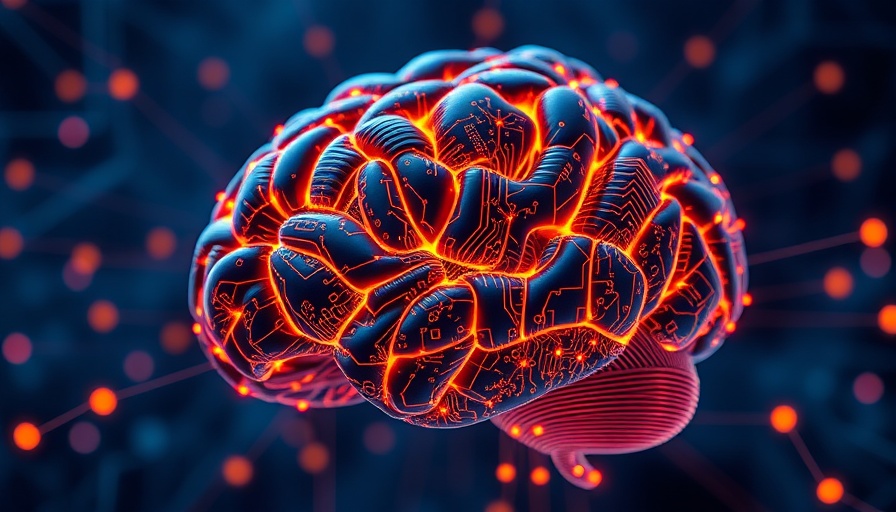
Digital brain circuitry illustrating AI in marketing.

Embrace Innovation: The Integration of AI in Marketing

The marketing landscape is evolving at an unprecedented pace, driven largely by the rise of artificial intelligence (AI). Teams aiming to boost both efficiency and creativity are increasingly looking to these intelligent tools as a solution to the ongoing challenges they face in reaching their audiences effectively.

Understanding the Transformative Power of AI

Artificial intelligence has emerged as a critical asset for marketing teams, providing new pathways for creativity while optimizing existing workflows. By analyzing real-time data trends, AI tools can aid in generating ideas, firing up creativity, and ensuring that marketing efforts resonate with today's consumers.

AI Prompts: A New Tool for Marketers

Integrating AI prompts into the daily operations of marketing teams can significantly enhance productivity. These prompts help marketers generate innovative campaign ideas, create tailored content, and streamline repetitive tasks. According to Atlassian, effective AI prompts require clarity, specific objectives, and context, which maximize their ability to deliver valuable insights.

Enhancing Creativity with Data-Driven Insights

AI's strength lies in its capacity to process vast amounts of information quickly, analyzing what resonates with target demographics. This approach not only enriches creative campaigns but also accelerates their approval timelines, ultimately positioning brands to better engage with their audience. Implemented effectively, AI can uncover insights that guide content creation from blogs to visual media, elevating the overall quality of output.

Personalization: Tailoring the Marketing Experience

Today's consumers expect a tailored experience, and AI excels in crafting personalized content that speaks to individual preferences. Tools can analyze a customer’s past interactions to produce targeted advertisements, social media posts, and content that aligns with their interests. Personalized marketing significantly improves engagement rates, making AI indispensable in modern strategies.

Streamlining Workflows: A Collaborative Environment

AI can take over monotonous tasks such as scheduling social media posts or composing standard email templates. By alleviating marketing teams of these burdens, they can focus more on strategic initiatives. A report on enhancing creative campaigns suggests that the combination of human creativity and AI efficiency can guide businesses toward innovative solutions that streamline efforts and minimize burnout among team members.

Fostering Collaboration Between Humans and AI

While AI capabilities are impressive, they are most beneficial when working alongside human marketers who understand creativity and cultural nuances. Collaborative environments where teams leverage AI insights can enhance strategic decision-making and foster innovative campaigns. As AI tools continue to evolve, the human element remains vital; marketers who can interpret AI-generated data will lead the charge in creating pertinent marketing content.

The Future of Marketing: Trends and Predictions

As AI technology advances, it is set to reshape not just how marketing teams operate but also the nature of marketing itself. In the next few years, we expect to see AI solutions capable of predicting consumer trends more accurately, allowing for proactive rather than reactive marketing strategies. This shift could dictate how brands position themselves and engage with rapidly changing market demands.

Take Action: Enhance Your Marketing Strategy Today

Organizations that integrate AI into their marketing efforts will likely make significant strides in achieving their goals. Embrace AI tools, train teams in effectively utilizing them, and watch as efficiency and creativity proliferate within your marketing department. The future is now, and those who adapt will lead the way in an AI-enhanced marketing landscape.

AI CONTENT STRATEGIES

Write A Comment

*
*
Related Posts All Posts
12.24.2025

Unlocking the Impact of Large Language Models on LLM Marketing Strategies for 2026

Update The Power of Large Language Models in Modern Marketing As we approach 2026, large language models (LLMs) are rapidly transforming the landscape of marketing, compelling professionals to adapt their strategies to maintain competitive advantages. With their exceptional ability to understand and generate human-like text, LLMs offer unprecedented capabilities in personalizing customer experiences and optimizing marketing campaigns. Understanding LLMs: The New Frontier of Marketing Technology Large language models are deep learning systems trained extensively on vast datasets, which equip them with the capability to understand complex queries and provide insightful responses instantly. As marketing trends evolve towards data-driven methodologies, these models are becoming pivotal in various aspects of the marketing funnel—from content automation to audience analytics. Recent shifts highlight that consumers increasingly utilize AI for information, marking a transition from traditional search methods to AI-driven interfaces. For instance, according to a 2025 survey by Elon University, over half of U.S. adults are engaging with AI systems like ChatGPT, indicating a convergence of technology and consumer behavior. How LLMs Enhance Content Creation and Brand Voice One of the most significant advancements with LLMs is their impact on content automation. Gone are the days when marketing teams relied heavily on manually produced content. With LLMs, companies can generate SEO-optimized articles, social media posts, and email campaigns in mere moments, significantly reducing time and increasing efficacy. The process leverages AI to analyze market trends, ensuring that content aligns seamlessly with audience expectations. Moreover, brands can utilize brand voice AI to maintain consistency across all customer touchpoints. By training LLMs on historical content and internal guidelines, businesses can ensure that their messaging remains authentic and engages consumers effectively. The Role of AI Marketing Strategy Platforms Companies like Robotic Marketer are pioneers in integrating LLM technology into their marketing platforms, providing tools that automate the creation of customized marketing strategies. These platforms not only streamline the content development process but also offer real-time performance analytics, enabling brands to adjust their strategies based on live data insights. This shift towards integrated AI solutions allows for more effective resource management and enhances operational efficiency across marketing teams. Emphasizing Governance and Risk Management Despite the myriad benefits of implementing LLMs, brands must navigate the complexities of risk management and compliance. Proper governance is crucial when deploying these models to ensure they adhere to brand standards and avoid potential pitfalls such as misinformation. The fine-tuning process—training LLMs on specific brand content—plays a vital role in minimizing errors while aligning with the organization's ethos. Future Predictions: The Evolving Landscape of Marketing in 2026 Looking forward, the integration of LLMs into marketing strategies is likely to become ubiquitous. The optimum scenario will see brands utilizing comprehensive AI frameworks that allow for enhanced discovery, efficient content generation, and market-oriented decision-making. As LLMs continue to evolve, businesses must position themselves strategically to capture emerging opportunities in the age of AI-driven marketing. Final Thoughts: The Need for Adaptation and Innovation As we brace for the future, marketing professionals must recognize the critical role that large language models play in reshaping their industry. The key will be to embrace these advancements while ensuring that strategic insights translate into tangible outcomes—whether through improved customer experiences or accelerated campaign execution. In a world where AI significantly influences consumer behavior, maintaining flexibility and adaptability will be paramount for success. As brands plan their marketing strategies for 2026, it's evident that leveraging LLMs will be a cornerstone of their operational framework, unlocking new opportunities for engagement and conversion.

12.22.2025

Unlock Growth in 2026: The Urgency of Marketing Automation

Update The New Era of Marketing Efficiency As the marketing landscape evolves with rapid technological advancement, organizations must adapt quickly to meet the challenges of 2026. The shift towards marketing automation is not simply a trend; it is a strategic necessity for sustaining growth and improving operational efficiency. Automation encompasses a range of tools designed to streamline processes, allowing marketing professionals to increase productivity while minimizing the need for expanding headcount. This paradigm shift dramatically changes how marketing teams approach strategy and execution. Why Scaling Headcount is No Longer Enough Historically, the common strategy for enhancing marketing capacity was simple: hire more staff. But as organizations navigate increasingly complex customer journeys and mounting content demands, this method is proving less effective. In 2026, merely increasing the personnel count does not equate to improved performance or flexibility. The scarcity of skilled professionals, alongside fluctuating budgets, makes expansion through hiring a risky endeavor. Instead, the focus must shift to leveraging technology to drive improved outcomes. Key Use Cases for Marketing Automation To effectively scale marketing efforts, organizations should focus on several high-impact areas where automation can yield significant benefits: Email Automation: Utilizing AI to personalize outreach is not just beneficial; it's expected. AI-driven workflows can segment audiences based on behavior, ensuring timely and relevant messaging that reduces manual management. Lead Nurture Engines: Implementing AI-enhanced nurturing streams helps guide prospects effectively through the buying cycle. Automated touchpoints ensure ongoing engagement and timely follow-ups, streamlining the road to conversion. Content Generation Automation: With the requirement for fresh and relevant content soaring, automation platforms can simplify production, enabling the quick creation of tailored content without compromising on quality or SEO. Ad Ops Automation: By automating bidding and spend allocation, marketers can ensure their digital ads are performing optimally. Real-time optimization insights lead to better ROI and campaign success. Becoming an Agile Organization In 2026, the adoption of Intelligent Campaign Tools acts as a significant leverage point for marketers. These tools centralize the management of campaigns, enhancing orchestration by automating sequencing, scheduling, and delivery across various channels. This comprehensive approach not only streamlines operations but aligns marketing tactics closely with overarching business strategies. It allows teams to benchmark performance swiftly and adjust strategies dynamically in accordance with evolving market needs. The Future of Marketing: Predictions and Insights The pressing need for efficient marketing practices is building towards unprecedented future trends. Organizations that prioritize technology integration will likely stay ahead of the curve, ultimately thriving amidst fierce competition. As businesses embrace AI and automation, there will be noticeable shifts in consumer engagement strategies, focusing more on personalized experiences rather than mass outreach. Closing Thoughts on Marketing Transformation As we edge closer to 2026, it is clear that marketing automation is not just an option; it is integral to achieving sustainable growth in an unpredictable landscape. By adopting a mindset that embraces technology and prioritizes efficiency, marketing professionals can help drive their organizations toward new heights of success.

12.21.2025

Unlocking Omnichannel Automation for 2026: What Brands Must Know

Update The Future of Omnichannel Automation: What to Expect in 2026 As we move towards 2026, the evolution of omnichannel strategies will revolutionize how brands interact with consumers. Gone are the days when businesses primarily operated through separate channels; today's customers require a seamless experience that integrates digital, physical, voice, and IoT channels. This shift presents a golden opportunity for brands that embrace omnichannel automation to stand out in a competitive marketplace. Understanding the Omnichannel Landscape In its essence, omnichannel encompasses much more than just blending online and offline shopping experiences. As contemporary consumers navigate their days, the integration of various devices and platforms becomes crucial. For instance, the typical modern buyer might explore products on their laptop, compare prices via smartwatch, and receive personalized recommendations through voice assistants all in a single day. This complexity necessitates that businesses equip themselves with sophisticated tools that allow for real-time integration across all channels. A comprehensive omnichannel strategy enables brands to connect with their customers at multiple touchpoints, creating an impression of continuity and trust. The objective is to foster relationships through personalized interactions, which means understanding a buyer's journey from awareness through post-purchase support. Leveraging AI in Omnichannel Automation Crucial to the development of an effective omnichannel automation strategy is Artificial Intelligence (AI). AI-driven insights can provide businesses with predictive analytics that enhance decision-making. For example, through historical data, customer behavior patterns, and segmentation, AI can determine optimal times and platforms for content delivery, ensuring that messages are not only timely but also relevant. By automating processes, teams can focus on creative strategies instead of repetitive tasks. This technological transition not only streamlines operations but ultimately translates into enhanced customer satisfaction, higher conversion rates, and increased loyalty. Mapping the Customer Journey for Greater Insights At the heart of a successful omnichannel strategy lies the need to map the customer journey extensively. Each interaction a customer has with a brand can be tracked, informed by data, and analyzed to make informed improvements. For brands, utilizing sophisticated customer journey mapping tools can help visualize user paths and behavior across channels. It’s crucial that businesses remain agile in adapting to customer needs and preferences, ensuring that they craft a genuinely seamless experience. For example, a mid-journey customer should enjoy uninterrupted transitions, whether moving from a mobile app to a physical store or engaging via social media. Real-World Examples of Effective Omnichannel Strategies A retail brand might develop a loyalty program that integrates online and in-store activities, providing a unified customer profile that tracks purchases and preferences across channels. This would allow customers to see recommendations that align with their shopping history, whether they’re browsing online or in-store. Another example is an e-commerce website employing live chat features across various platforms, enabling customers to communicate through their preferred channels. This approach creates a personalized experience wherein knowledge of past interactions is readily accessible to customer service agents, streamlining responses and enhancing the overall brand experience. The Road Ahead: Preparing for 2026 Ensuring a successful transition into 2026 requires brands to prioritize omnichannel automation in their marketing strategies. By integrating automation solutions, brands can efficiently manage the complexities of customer interactions across all touchpoints. Investing in advanced AI analytics tools will be instrumental in maximizing marketing efforts and enhancing customer experiences. In conclusion, as the landscape of consumer needs continues to evolve, so must the strategies businesses use to meet those needs. Implementing a robust omnichannel automation plan not only enriches customer engagement but also keeps businesses relevant in a fast-changing market.

Terms of Service

Privacy Policy

Core Modal Title

Sorry, no results found

You Might Find These Articles Interesting

T
Please Check Your Email
We Will Be Following Up Shortly
*
*
*