Add Row
Add Element
cropper
update
Ai SEO Podcast
update
Add Element
  • Home
  • Categories
    • Lead Generation
    • Ai Content Creation
    • Cast Studies
    • Ai SEO Tools
    • SEO For Beginners
    • SEO TRENDS
    • RANKING WITH AI
    • AI CONTENT STRATEGIES
    • AI SEO NEWS
    • AI SEO Experts
    • Extra News
June 06.2025
3 Minutes Read

Navigating Google Ranking Changes: Strategies for Small Business Success

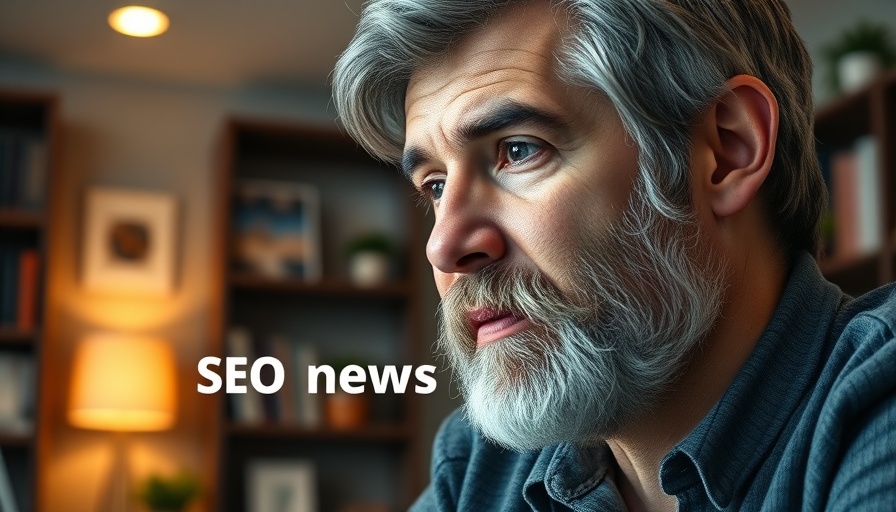
Man discussing Google Search ranking volatility with SEO updates.

Unpacking Google’s Recent Search Ranking Volatility

The world of digital marketing was shaken recently by notable fluctuations in Google’s search rankings, a phenomenon that peaked on June 4, 2025. This surge in volatility has left many small business owners and marketers wondering about the sustainability of their SEO strategies. As the backbone of online visibility, understanding the implications of these changes is more important than ever.

The Great Decoupling: What It Means for Marketers

One of the most intriguing developments in recent weeks is the emergence of The Great Decoupling, a term that describes the growing disparity between clicks and impressions in Google Search results. For marketers, this could signify a shift in consumer behavior and the effectiveness of traditional SEO tactics. As users become more selective in their browsing and clicking habits, small businesses may need to reconsider their approaches to engagement and conversion.

Examining Google’s Indexing Trends

Adding to the uncertainty is the reported decline in Google’s indexing activity since late May 2025. This trend raises alarm bells among digital marketers who rely on search indexing for visibility. As indexing becomes less predictable, ensuring that your content is optimized for quick indexing is essential for maintaining search rankings. Businesses should focus on enhancing their website’s technical performance and content relevancy to counteract any adverse effects from Google's shifting indexing practices.

Rankings and Safety: Google’s Algorithm Updates

Google’s continual adjustments to its ranking algorithms—particularly those addressing explicit content and video—spark a critical conversation about content responsibility in marketing. With the updated SafeSearch documentation, businesses must ensure that their content aligns with Google’s standards to avoid penalties. As the algorithms become more sophisticated, employing ethical and compliant marketing strategies becomes a critical differentiator for businesses looking to build trust with their audiences.

The Significance of AI in Search

Artificial Intelligence is set to redefine SEO practices dramatically. For instance, Google is testing AI Overviews at the bottom of search results pages, which can radically shift how information is consumed. Integrating AI tools into your impact strategy isn’t just innovative—it’s becoming necessary for survival in a crowded marketplace.

The Rising Influence of Google Discover and Generative AI

The expansion of Google Discover, which now tests generative AI summaries, highlights the importance of producing valuable and engaging content that captures audience interests. It challenges marketers to think creatively about how they present their narratives to fit evolving AI interfaces. As Discover's AI capabilities enhance user experience, leveraging these features can put your content in front of a broader audience and elevate brand visibility.

Ad Innovations and Google Ads API Version 20

As Google continues to roll out its latest tools—like the new Google Ads API version 20—it's creating additional pathways for engagement. These innovations invite small businesses to capitalize on optimizing ad campaigns further, ensuring they meet updated Google criteria while maximizing exposure. Learning to navigate these updates efficiently could exponentially boost lead generation efforts.

Insights from Industry Leaders: Pichai’s Vision for the Future

In a recent interview, Google's CEO Sundar Pichai emphasized that search will continue to expand in complexity and integration with AI. As he articulated the balance between AI-driven content and traditional publishing methods, it raises important questions for marketers: How can we adapt? What strategies should we pursue to remain relevant?

The Power of Networking: Building the Community

Also noteworthy is the appointment of Navah Hopkins as the new Microsoft Advertising Ads Liaison, signifying a potential synergy between Google and Microsoft advertising strategies. Such connections exemplify the importance of staying informed about industry shifts and the need for strategic partnerships.

With these insights, small business owners, marketers, and agencies can better prepare for the implications of these seismic shifts in search engine dynamics. Embracing innovation while tailoring marketing strategies to fit users’ evolving preferences will be fundamental for success.

As the search landscape continues to evolve, now is the time to rethink your online marketing strategies with AI-powered tools that enhance efficiency and effectiveness. Explore solutions that bypass the complexities of ranking volatility and create a digital presence that resonates with today’s consumer.

SEO TRENDS

0 Comments

Write A Comment

*
*
Related Posts All Posts
03.03.2026

Unlocking Google Search's Image Thumbnails: What Every Marketer Should Know

Update Understanding Google's Selection Process for Image Thumbnails In the evolving landscape of digital marketing, Google continues to refine how it chooses image thumbnails for search results and Google Discover, emphasizing the importance of effective image SEO. Recently, Google provided clearer guidelines on how to influence which images appear on the platform. These changes are critical for small business owners, marketers, and agencies looking to boost visibility and engagement through enhanced image content. The Significance of Image Metadata The automation of image thumbnail selection means that website owners must strategically use schema.org markup and the og:image meta tag to guide Google's choices. Google has introduced a new section to its image SEO documentation, highlighting three methods to communicate a preferred image: using the primaryImageOfPage property, attaching an image to the main entity with mainEntity or mainEntityOfPage, and utilizing the og:image tag. This detailed approach underscores the necessity for clear, high-quality images that are not merely placeholders like company logos. Best Practices for Choosing Thumbnail Images Google advises selecting images that are not only representative of the webpage’s content but also adhere to optimal specifications—such as being at least 1200 pixels wide and maintaining a 16:9 aspect ratio. This meticulous attention to detail can enhance the appearance of a webpage in search results, ultimately increasing click-through rates (CTR). Marketers and small business owners need to prioritize high-resolution imagery and consider professional cropping to ensure the important elements are not lost in the transformation to thumbnail format. Leveraging Large Images for Google Discover With Google Discover, larger images yield better visibility and user engagement. Incorporating compelling visuals that meet recommended resolutions helps in driving organic traffic. High-quality images in content are not just about aesthetics; they significantly impact user interaction, as larger images are statistically more likely to capture attention on Discover feeds. Capitalizing on this can lead to increased site visits and potential conversions. Addressing Common Misconceptions About Thumbnail Selections Many website owners misunderstand the dynamics of Google’s thumbnail display. There exists a misconception that using structured data alone guarantees better thumbnail treatment. However, evidence suggests that while structured data can aid in heightening single image exposure, its direct influence on multi-image thumbnails remains inconclusive. Small businesses should focus on comprehensive image strategies, combining structured data with high-quality visuals to optimize their representation in search results. Future Trends in Image SEO As we look to the future, the emphasis on visually driven content is expected to grow. With augmented reality and immersive technologies on the rise, optimizing images will become even more intertwined with SEO strategies. Businesses must embrace these trends to stay competitive, transforming how they present visuals to foster deeper connections with audiences. Understanding and adapting to these changes in Google's algorithms will be vital for anyone looking to leverage digital platforms for business growth. Actionable Insights to Enhance Your Image Strategy To effectively manage your image SEO, take the following steps: Audit Current Image Use: Assess existing image content for relevance and quality. Implement Recommended Markups: Integrate schema.org markup and ensure correct og:image tags are used. Monitor Performance: Use analytics to track how changes in your image strategy impact user engagement. Stay Updated: Keep abreast of Google’s ongoing updates to image handling and best practices. In this fast-paced digital world, staying informed about SEO best practices is essential for small business owners and marketers aiming to harness the power of visual content effectively. By proactively optimizing images and adhering to Google's guidelines, marketers can significantly enhance their visibility and success.

02.27.2026

How the February 2026 Google Discover Core Update Changes Everything for Marketers

Update The Impact of the February 2026 Google Discover Update on Content Strategy In February 2026, Google completed a significant update to its Discover algorithm, concluding a rollout that lasted over three weeks. This update marks a crucial shift in how content is prioritized, emphasizing local relevance, quality over clickbait, and genuine expertise in a given topic. For small business owners, marketers, and agencies, understanding these changes is essential for leveraging Discover as a channel for audience engagement and traffic generation. What’s Changed in Google Discover? The February 2026 Google Discover Core Update fundamentally alters the landscape for content publishers. The update focuses on supporting localized content, discouraging misleading headlines, and valuing in-depth, trustworthy expertise. The core message from Google is clear: the quality of user engagement will dictate visibility in Discover streams going forward. This means that if you are a small business or agency, the onus is on you to create authentic and relevant content that resonates with your target audience. Why Local Content Matters Now More Than Ever One of the most impactful aspects of this update is the pronounced emphasis on local content. The algorithm will now prioritize articles and media that are relevant to users based on their geographic location. This change suggests that marketers should tailor their content strategies to focus on local news, events, and interests. For example, a restaurant marketing agency in New Orleans should cover local dining trends and reviews, enhancing its relevance to the community and, in turn, improving visibility in Google Discover. The End of Clickbait Optimization: A Step Towards Authenticity With the crackdown on sensational or misleading headlines, businesses that have relied on clickbait tactics to drive traffic may find themselves struggling. Google’s algorithm is becoming increasingly adept at recognizing the disparity between audience expectations and content delivery. By prioritizing honest and engaging headlines, marketers are encouraged to foster trust with their readership and deliver on the promises made by their headlines. For instance, instead of using clickbait titles like "This Weird Trick Will Change Your SEO Forever!”, opt for straightforward and informative headlines that accurately reflect the content. The Importance of Demonstrating Expertise Under the updated guidelines, Google is placing greater emphasis on the depth and authenticity of content. Businesses that consistently publish well-researched, in-depth articles on specific topics will be rewarded with increased visibility. This trend underscores the importance of presenting genuine expertise; if you claim to be knowledgeable about a subject, your content must convincingly reflect that expertise. As per insights from brands like SEO Sherpa, content that aligns with audience needs will not only enhance engagement but will also support long-term good standing within Google Discover. Strategies to Thrive in the Post-Update Landscape To adapt to the changes brought by the February update, small business owners and marketers should implement the following strategies: Leverage Local Engagement: Create content that resonates with your local audience by highlighting community events, news, and resources. Avoid Clickbait: Focus on creating compelling titles that accurately represent your content. This will foster trust and audience loyalty. Build Real Topic Expertise: Stay focused on specific subject areas to establish authority and ensure your content is both timely and insightful. Your Path to Future-Proofing Your Content In conclusion, adapting to this seismic shift in Google Discover's algorithm is not just about maintaining ranking; it's about cultivating authentic relationships with your audience through quality and relevant content. As users become more discerning about the information they consume, businesses must prioritize engaging, truthful, and local content to stay competitive in the wake of this update. Are you ready to take your audience engagement to the next level? Focus on aligning your content strategy with these insights to boost your visibility on platforms like Google Discover. Now is the perfect time to audit your current content and make strategic adjustments that resonate with today’s changed landscape.

02.24.2026

Unlocking Insights from February 24, 2026: AI's Impact on Search Marketing

Update The Evolution of Search Marketing: Key Insights from February 24, 2026 The digital marketing landscape is ever-evolving, and staying abreast of the latest developments is essential for small business owners, marketers, and agencies. On February 24, 2026, key updates in search marketing emerged, notably from Microsoft and Google. A recap of these updates reveals a deeper understanding of how AI-driven tools are reshaping strategies and the nuances of ad management. Microsoft's Battle Against Prompt Injection Attacks Microsoft has been proactive in addressing prompt injection attacks that have targeted AI tools like Copilot. These attacks involve manipulating the AI's responses by injecting malicious prompts, posing significant risks in developer environments. As businesses increasingly rely on AI for efficiency, Microsoft’s defense mechanisms—such as multi-layered containment strategies—become critical. Their recent updates signify a robust approach to safeguarding user data and application integrity. Implications of Google Ads Modifications Google's recent changes to its Ads support form mandate user authorization, thereby allowing Google Ads specialists to directly modify accounts. While this may streamline troubleshooting efforts, it raises questions of trust. Small business owners may feel exposed by granting access for modifications—a dynamic that compels marketers to adopt stricter security protocols for their accounts. Innovative Shopping Experiences Through Microsoft Advertising The testing of a shopping carousel with multiple images in Microsoft Advertising signifies a shift towards more visually engaging ad formats. This tactic allows businesses to showcase various products in one interactive space, enhancing user experience and purchase potential. For small business owners and marketers, adopting such innovative approaches could bolster visibility amidst fierce competition. The Clarity of Content: Google’s Testing of Date Removal Google's exploration of removing dates from articles presented in the Discover feed invites scrutiny among content creators. This experiment may significantly alter how content is perceived, particularly in relation to relevance and timeliness. As small businesses and marketers integrate AI in content strategies, understanding how search engines prioritize content can offer insights into crafting more engaging, relevant narratives. What These Developments Mean for Your Marketing Strategy The developments from February 24 reflect an essential transition towards AI-driven enhancement in digital marketing. Small business owners should leverage innovative advertising features while adhering to security protocols. Moreover, content creators must understand the changing preferences of search algorithms, particularly if dates become non-principal in content assessment. AI: The Driving Force Behind Marketing Efficiency AI continues to redefine the marketing landscape, as evidenced by recent insights. For marketers, the implementation of AI not only enhances efficiency but also transforms consumer engagement strategies. Understanding how AI tools like Copilot and evolving Google features function can inform better marketing practices. The push for informed, human-centered narratives intertwined with innovative AI applications will yield results that resonate with audiences. In conclusion, these recent changes demand agility and proactive strategies from small businesses and marketers alike. Explore how you can integrate advanced advertising formats, enhance your content strategy, and prioritize security as you navigate this rapidly evolving landscape. Join the conversation in online forums and stay ahead in the digital marketing game.

Terms of Service

Privacy Policy

Core Modal Title

Sorry, no results found

You Might Find These Articles Interesting

T
Please Check Your Email
We Will Be Following Up Shortly
*
*
*