
Add Row
Add Element
cropper
update
Ai SEO Podcast
update
Add Element
  • Home
  • Categories
    • Lead Generation
    • Ai Content Creation
    • Cast Studies
    • Ai SEO Tools
    • SEO For Beginners
    • SEO TRENDS
    • RANKING WITH AI
    • AI CONTENT STRATEGIES
    • AI SEO NEWS
    • AI SEO Experts
    • Extra News
February 14.2025
3 Minutes Read

The Rise of Electric Vehicles: Uncovering the Top Trending EV Companies in 2025

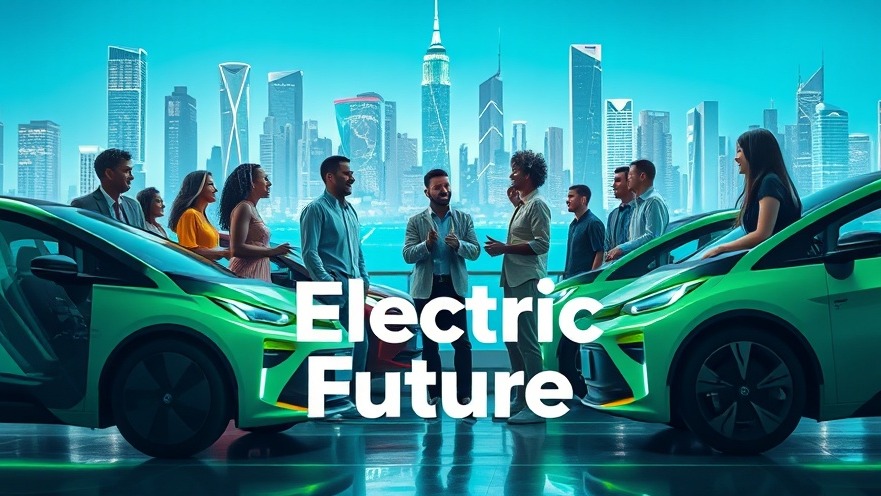
Diverse people discussing electric vehicles in a vibrant urban setting.


The Rise of Electric Vehicles: Uncovering the Top Trending EV Companies in 2025

2025 marks a pivotal moment for the electric vehicle (EV) industry, and if you're paying any attention to the tech world or the automotive sector, it's hard to ignore the buzz. With an astounding growth of organic traffic to various EV companies, the landscape is shifting, and some names are starting to rise above the others. They say that knowledge is power, and in the fast-paced world of electric mobility, knowing which companies are making strides could not only help you with decisions but could also open your mind to future marketing opportunities.

Understanding Organic Traffic Growth: Why It Matters

We analyzed data from over 8,000 websites, pinpointing companies that are not just surviving but thriving. The organic traffic growth to their websites acts as a barometer for momentum—indicative of increasing brand awareness, customer interest, and savvy marketing strategies. In practice, this translates to opportunities: knowing who’s trending offers businesses an edge in aligning with the most promising players in the EV market.

Top Five Trending EV Companies of 2025

Leading the charge is **GreenV**, a tech and service provider that has exploded onto the scene with a whopping 16,380% increase in organic traffic. If that doesn’t get your attention, what will? Next is **Vayve Mobility**, positioned as an EV maker with an impressive 5,367% growth, followed by **ZEEKR**, showcasing a similarly remarkable rise of 3,848%. Other noteworthy entrants include **EN Plus Tech** (2,742%) and **EV Joints** (2,629%).

Growth Drivers: What Makes These Companies Stand Out?

Each company's rise can often be attributed to innovative technology, sustainability practices, and strategic partnerships. For instance, ZEEKR focuses not only on electric cars but also integrates AI-driven technologies to enhance user experiences. Meanwhile, companies like GreenV emphasize the technology behind EVs that ensures both performance and safety—attributes that resonate strongly with today’s eco-conscious consumers.

Shifts in Consumer Behavior: An Insight into the EV Market

The growing consumer interest in electric vehicles correlates with several broader societal trends. As governmental incentives shift and the discourse around climate change intensifies, many people are reevaluating their purchasing choices. EVs are not just transportation vehicles; they are becoming symbols of social responsibility and innovation. As noted in the reference articles, the expected decline in EV prices will make them even more enticing for the average consumer.

Future Predictions: Electric Vehicles on the Horizon

Looking ahead, 2025 will see continued growth not just in EV sales but in supporting technologies like charging infrastructure and battery efficiency. The anticipated advancements in battery technology—including solid-state batteries—promise to extend range while decreasing costs. According to experts, the global EV sales could skyrocket to 85 million, with China remaining at the forefront of the market. Marketers should keep an eye on these developments and adapt their strategies accordingly.

The Role of Marketing in the Evolving EV Landscape

As online marketers, your strategies need to reflect the rapid evolution of consumer preferences. Engaging storytelling, maximized online visibility, and harnessing data will be crucial in effectively reaching target audiences. Understanding the top players and bolstering brand narratives through strategic SEO practices will become more critical than ever as the market matures.

Conclusion: Why Staying Informed Matters

In a world moving towards electrified transport, keeping tabs on the industry's pace is like having a roadmap. As we've explored, tracking the top trending EV companies and understanding the factors behind their success can lead to better marketing decisions and propel your business into future-focused campaigns. 2025 is not just another year; it’s a gateway to change, and those who adapt will thrive.


AI SEO NEWS

0 Comments

Write A Comment

*
*
Related Posts All Posts
02.18.2026

Google's AI Overview Changes: What Marketers Need to Know

Update AI Overviews and Publisher Control: A Game ChangerIn a landscape increasingly dominated by artificial intelligence, the recent discussions at the FT Strategies News in the Digital Age conference have unveiled insights into Google's ambitious plan aimed at granting publishers greater control over the utilization of their content in AI features. As Sulina Connal, Managing Director of News and Books Partnerships at Google, articulated, the implementation of these controls is not merely administrative but constitutes a "huge engineering project". The significance of this move cannot be overstated, especially for small business owners and marketers grappling with how AI changes the playing field.Understanding the Need for Granular ControlsAs we delve deeper into the digital ecosystem, it is crucial to recognize the transformative role that AI Overviews and features like Google’s AI Mode play in search dynamics. Currently, there are widespread calls for transparency and choice surrounding AI's engagement with content. The proposals from the UK's Competition and Markets Authority (CMA) have been pivotal—you can opt out entirely from these AI features yet still retain normal search visibility. This is especially relevant for small business owners and marketers looking to control how their brand is represented digitally.Transparency and Attribution: The Path ForwardThis news comes with the promise of clearer attribution. As the CMA emphasizes, publishers should receive clearer acknowledgment when their content is used. As highlighted in a recent Digiday article, this creates a new avenue for engagement and negotiation, equipping publishers with actual data on how AI features affect their referral traffic. Both teams at Google and industry experts recognize that transparency is paramount. It's not just about visibility; it’s about asserting control over the narrative of your brand.Perspectives from Industry LeadersWith varying viewpoints on these developments, industry leaders express both optimism and skepticism. Owen Meredith, CEO of the News Media Association, and Jason Kint of Digital Content Next articulated hopes that the CMA’s measures will foster a tighter grip on how Google navigates content ownership. There’s a shared sentiment that merely having opt-out provisions isn't enough; publishers want structural remedies that ensure their content's integrity and practices are respected.The Emotional Landscape of Small BusinessesFor small businesses and marketers, the stakes are high. The anxiety of losing control over how your content gets presented in a rapidly digitalizing market may feel overwhelming. However, it also promises an opportunity: if enough small businesses globally unify their voices, they can collectively push for meaningful regulatory changes that protect their interests. Utilizing AI should enhance visibility instead of compromising it.What Lies Ahead: Actions and OpportunitiesThe call to action for small business owners and marketers is clear—stay informed and engaged with these evolving guidelines. Understanding how to leverage new AI capabilities for your marketing strategies can not only help in brand positioning but empower you in negotiation scenarios. With Google continually evolving its approach to search, it becomes imperative to adapt your strategies accordingly, leveraging insights from data and emerging trends. Educating yourself about AI and its new controls is not just smart; it's essential.

02.17.2026

Unlock the Power of AI to Measure Campaign Performance with Precision

Update The AI Revolution in Marketing Analytics As the marketing world adapts to a dramatically shifting landscape, the role of artificial intelligence in analytics is more vital than ever. For marketing teams striving to demonstrate concrete results from their campaigns, relying on outdated methods is no longer an option. Historical data and gut instinct give way to rigorous, data-driven approaches that offer unparalleled insights into market behavior. What Makes AI a Game Changer? AI technology empowers marketers to dissect and understand complex data sets with ease. It enables them to identify which marketing channels yield the highest return on investment, break down consumer engagement levels, and tailor strategies that resonate with target demographics. As AI systematically analyzes vast amounts of information, it pinpoints successful tactics and uncovers inefficiencies that can undermine campaign performance. Immediate Implementation: A Catalyst for Change Marketing teams often find themselves bogged down by extended timelines associated with traditional strategies. However, AI marketing strategies revolutionize this process through immediate execution capabilities. With minimal onboarding delay and seamless integration of data, campaigns can launch explosively, cutting down previously lengthy preparation periods. Firms using AI-driven tools can get a head start on their competition while adapting more rapidly to market changes. Intelligent Campaign Measurement: Beyond Basic Metrics When it comes to measuring marketing effectiveness, it's time to shrug off superficial metrics like clicks or impressions. The modern suite of AI-driven tools allows marketers to collect and analyze in-depth data regarding user behaviors and conversion actions. For example, real-time dashboards facilitate tracking campaign components from awareness to final revenue, providing marketers with the agility needed to shift budgets or refine creative content quickly based on performance. Execution: Bridging the Gap Between Strategy and Delivery A well-structured plan alone does not guarantee success. The transition from strategy to effective execution presents additional challenges, which is where intelligent campaign tools race ahead of the pack. By pulling insights from data analytics and translating them into actionable tasks, these platforms allow marketing teams to act on opportunities as they arise. Investing in the right execution framework is crucial, as it ensures that budding trends are harnessed swiftly. The Role of AI Marketing Automation Consultancy Despite the advantages of AI, many organizations still view its integration as a considerable challenge. That’s where AI Marketing Automation Consultancy services come into play. By offering expert guidance, these consultancies provide tailored support, helping marketing teams leverage analytics while aligning with overarching business goals. This partnership fosters a culture of adoption, minimizing common roadblocks and allowing for more seamless integration of AI solutions. Cost-Effective Access to AI Power While many companies are eager to embrace AI technologies, budgetary constraints often hinder progress. AI Marketing Automation Consultancy may provide a flexible financial model for companies looking to access sophisticated analytics without the significant financial commitment that comes with developing in-house capabilities. This arrangement allows small to mid-sized businesses to leverage high-level strategic insights without incurring the costs associated with fully staffed marketing departments. Harnessing the Full Potential of Digital Dashboards The ability to visualize and interpret campaign performance is fundamental for modern marketers. Advanced digital dashboards synthesize data from multiple sources into a unified presentation, offering marketing leaders insights that are actionable and reflective of real-time market conditions. This proactive approach empowers professionals by integrating feedback loops and predictive analytics, allowing them to pivot quickly in response to emerging trends. Conclusion: Embracing AI for the Future In today’s rapidly evolving marketing ecosystem, the integration of AI and advanced analytics is not just beneficial; it is essential for achieving measurable growth. As the industry shifts towards data-driven decision-making, businesses that fully embrace AI capabilities stand poised to outperform their competitors. To stay ahead, marketers must adopt an AI Marketing Strategy, ensuring their campaigns achieve maximum impact with greater efficiency and precision.

02.17.2026

How Google’s AI Shopping Ads Are Revolutionizing Online Marketing Strategies

Update Boosting E-commerce: The Shift Towards Google’s AI Shopping Ads In a rapidly evolving digital landscape, recent data reveals a significant transformation in consumer behavior concerning search ads. Google's AI capabilities, particularly through its new formats for Ads, are increasing clicks on product and shopping searches while traditional organic clicks are sharply declining. This shift indicates a crucial turning point for marketers and small business owners who rely on organic search traffic. Declining Organic Clicks: The New Reality According to recent insights shared by Aleyda Solis, organic search results across various sectors have seen a dramatic fall in click share. For instance, in the headphone sector, organic click-through rates dropped from 73% to just 50%. This trend is alarming for small business owners who traditionally benefitted from organic visibility. Other sectors like jeans and greeting cards followed a similar downward trajectory, with decreases ranging from 13 to 23 percentage points. The Rise of Paid Ad Formats: A New Era in E-commerce As the organic traffic diminishes, the data also indicates a corresponding rise in paid advertisements. Text Ads emerged as a notable contender, significantly increasing their share amidst the declining organic clicks. For instance, headphone advertising numbers surged from 3% to 16%, highlighting a shift in spending behavior. Google appears to be reshaping the search advertising landscape to encourage businesses to invest in paid listings, knowing that their AI-driven search tools prioritize these ads over traditional organic results. The New Shopping Experience: Integrating Ads with AI Google's recent move to directly embed shopping features into its AI tools heralds a change in how advertisers interact with consumers. Tools like Google’s Gemini chatbot allow users to purchase directly within the platform, signaling a blend of browsing and commerce that could redefine the online shopping experience. As companies like Etsy partner with Google, the ease of integrating both ads and direct purchases enhances the value of shopping through AI. Consumer Insights: Preferences and Shopping Behavior in the AI Age Understanding how these changes affect consumer behavior is vital for marketers. With AI providing more tailored search results and shopping suggestions, consumers are likely to rely more heavily on AI-assisted shopping experiences, creating a necessity for brands to adapt their strategies accordingly. Direct offers and discounts presented through AI tools can significantly sway purchasing decisions, making it crucial for brands to engage with these growing ad formats. What This Means for Marketers and Small Business Owners For small businesses, the decline in organic click rates combined with the surge in paid ads could mean a reevaluation of marketing strategies. Investing in ad formats that align with these AI advancements is essential. Businesses must also stay attuned to consumer sentiment and preferences as they navigate this new landscape. Future Trends: The Road Ahead for Digital Advertising As AI continues to reshape the digital economy, trends indicate that 2026 may see even more innovative advertising strategies. Companies are expected to leverage AI technology to create engaging, personalized advertisements that resonate with consumers. By adapting to these technologies, businesses can harness the full potential of their marketing investments. Conclusion: Adapt or Get Left Behind In summary, the shift from organic to paid searches signifies a critical juncture for businesses in the e-commerce sector. As Google pushes towards more AI-integrated shopping experiences, brands must adapt their strategies to maintain consumer engagement and capture the growing market of AI-driven ad clicks. For marketers and small business owners, staying ahead in this competitive environment will require innovative approaches and a willingness to embrace change. Are you ready to pivot your marketing strategy in the face of these trends? The time to act is now. Engage with the evolving landscape and leverage AI tools to maximize your reach and effectiveness in advertising.

Terms of Service

Privacy Policy

Core Modal Title

Sorry, no results found

You Might Find These Articles Interesting

T
Please Check Your Email
We Will Be Following Up Shortly
*
*
*