
Add Row
Add Element
cropper
update
Ai SEO Podcast
update
Add Element
  • Home
  • Categories
    • Lead Generation
    • Ai Content Creation
    • Cast Studies
    • Ai SEO Tools
    • SEO For Beginners
    • SEO TRENDS
    • RANKING WITH AI
    • AI CONTENT STRATEGIES
    • AI SEO NEWS
    • AI SEO Experts
    • Extra News
May 07.2025
3 Minutes Read

Google Creator Summit in D.C.: The Shift Towards Reader-Centric Content

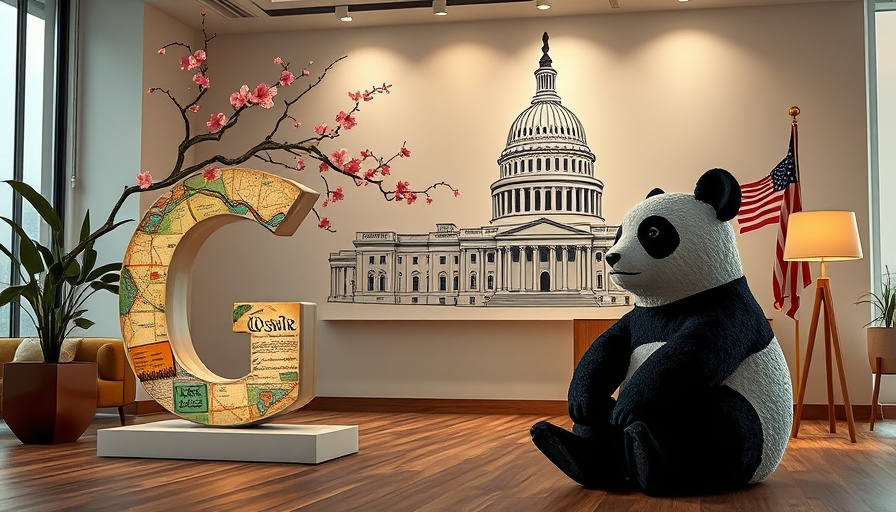
Google Creator Summit art installation with panda and themed logo.

Google Creator Summit in D.C.: The Shift Towards Reader-Centric Content

Recently, Google hosted another Google Creator Summit, this time in Washington D.C., inviting a select group of seven creators to engage in discussions about contemporary content strategies. Over three days, these creators participated in events focusing on the evolving relationship between content creation and search engine optimization (SEO) under the auspices of the Google Search team, represented by prominent figures like Danny Sullivan and Paul Haahr.

Understanding the Selection Process

While the specific criteria for selecting the creators remain unclear, this event marked an important continuation of Google's outreach beyond California, promoting a dialogue that resonates across various sectors. Unlike the previous summit held at the GooglePlex, creator Tomiko Harvey highlighted the shift in focus from merely addressing SEO concerns to fostering a nuanced understanding of audience needs. Her unique perspective emphasized that Google recognizes the pitfalls of content designed primarily for algorithmic favor.

The Content Quality Debate

During the summit, a key takeaway emerged: creators are often ensnared in the trap of creating content for algorithms instead of their audiences. Tomiko lamented her previous approach, stating, "I walked away, realizing I was still writing for Google and not my readers, which really stung me because I thought I was doing the right thing." This revelation underscores a broader industry challenge where complacency led creators to prioritize keywords and fluff over clarity and reader engagement.

A Paradigm Shift: Quality over Quantity

More than ever, creators are being urged to revert to the basics – crafting content that genuinely addresses user queries. Google’s recent admissions during the summit emphasized an evolution in consumer search behaviors. No longer are readers satisfied with lengthy, keyword-stuffed articles; they now favor concise, insightful content. Sullivan and his team clarified that Google's AI is increasingly adept at gauging user satisfaction with search results, which consequently has influenced how the algorithms function.

Implications for Small Business Owners and Marketers

This evolving emphasis on quality content is particularly pertinent for small business owners and marketers. Many have historically relied on traditional SEO practices that emphasized long-winded narratives filled with keywords. As Google pivots, businesses have the opportunity to adapt their strategies accordingly — shifting from a focus on keyword density to crafting well-structured, impactful narratives centered on consumer experience.

Strategies for Today's Digital Landscape

To stay ahead in this rapidly changing digital environment, businesses should consider a variety of strategies:

  • Authentic Engagement: Focus on fostering genuine connections with audiences through storytelling.
  • Reader-Centric Content: Develop content that answers specific questions your target audience may have while avoiding unnecessary fluff.
  • Adapt to Insights: Embrace data analytics to monitor content performance and user satisfaction, shaping future strategies based on these insights.

The Future of Google Search: What Lies Ahead?

As Google's algorithms evolve, it is crucial for creators and marketers to stay attuned to emerging trends. What's evident is that the focus on user experience and satisfaction is reshaping the landscape of SEO and content marketing. Adopting a more human-centered approach enables businesses to thrive while maintaining their relevance in an increasingly competitive digital marketplace.

Ultimately, the takeaways from the Google Creator Summit in D.C. send a clear message: it’s time to prioritize the audience. Small business owners, marketers, and content creators who adapt to these emerging trends will not only better serve their intended audiences but will likely enjoy greater success in their search visibility and engagement metrics.

As we move forward in this dynamic environment, let us embrace these changes and refine our strategies to align with what Google now prioritizes — impactful, reader-focused content. By leaning into AI tools designed to enhance efficiency and creativity in content creation, we can turn this challenge into an exciting opportunity.

AI SEO NEWS

Write A Comment

*
*
Related Posts All Posts
01.08.2026

Navigating Google Search Ranking Volatility: What Small Businesses Need to Know

Update Understanding Google Search Ranking Volatility: A New Wave of Challenges As the world enters this new digital era, small business owners, marketers, and agencies alike are faced with an unsettling development within the realm of online marketing: Google search ranking volatility. Following the January 6 updates, many reported drastic fluctuations in their Google rankings and accompanying drops in AdSense earnings. This article delves into recent events and explores its broader implications for digital marketing. The Mood in the SEO Community After the volatility on January 6, 2026, many SEOs and site owners took to forums like WebmasterWorld to discuss their concerns. Reports of a significant drop in traffic were commonplace. One user commented, "Yesterday was really bad: 6% down on main traffic while RPM went down significantly." Their sentiment mirrors a collective anxiety that small businesses face as Google rolls out updates that can make or break their visibility. Furthermore, dismal earnings from AdSense—some reporting drops around 90%—have forced many business owners to reconsider their marketing strategies. These sudden changes serve as a reminder of how vulnerable online traffic can be and the weight of rank fluctuations on revenue. Why Google Updates Matter for Small Businesses While fluctuations in Google rankings are not uncommon, the recent volatility has been accentuated due to the proximity of the December 2025 core update. Businesses need to understand not only what these updates entail but how they can affect visibility and engage customer interest across multiple digital platforms. As noted in a related article from Americaneagle.com, the constant changes in rank reflect a shifting landscape influenced by algorithm updates, competitor activity, and other external factors that businesses cannot control directly. Business owners can feel like they are playing a game of roulette with their websites, not knowing if their carefully laid plans will succeed or be thwarted by Google’s next move. Practical Tips to Navigate Ranking Volatility 1. **Regular SEO Audits:** Conduct routine assessments focusing on both technical and content strategies. Identifying crawl errors, broken links, or outdated content can help ensure a stable performance. 2. **Optimize Content Quality:** Regularly update your pages with relevant and high-quality information catered to your target audience's needs. This approach aligns with Google's evolving focus on user-centric content. 3. **Monitor Backlinks:** Keeping an eye on your backlink profile to maintain a healthy mix of high-quality links is essential. Conducting audits will help you discard any toxic links that might harm your site's reputation. 4. **Engage with the SEO Community:** Stay informed by joining SEO-focused groups or forums. Sharing experiences and strategies with others can lead to actionable insights that might save your business. 5. **Professional Help:** When in doubt, don't hesitate to consult an SEO agency like Americaneagle.com for tailored support. They can provide specialized services to help diagnose problems and help businesses recover lost ground. A Forward-Looking Perspective The landscape of search engine optimization (SEO) is precarious, with new algorithm changes always looming on the horizon. However, understanding the factors that contribute to ranking fluctuations enables business owners to proactively engage with these changes rather than react defensively. In a digital space where user intent reigns supreme, companies that prioritize high-quality content, user experience, and technical proficiency can build resilience against the volatility of search rankings. As we prepare for more updates in the future, businesses equipped with a long-term SEO strategy remain poised to weather these fluctuations. So, as we reflect on the events of January 6, it's clear that the key to survival in today’s digital marketplace is adaptability. Small businesses must stay informed, proactive, and resilient. As a small business owner, marketer, or agency, take control today! Engage with your SEO strategies, reflect on community insights, and consider aligning with professional services that can guide you through these turbulent times.

01.08.2026

Navigating Google’s New Update: Essential Insights for Small Business Owners

Update Is Google’s Latest Update a Game Changer for Small Businesses? On January 6, 2026, whispers of an unconfirmed Google update sparked concerns among SEOs and small business owners alike. Reports emerged of significant drops in search rankings, leading to anxious conversations in the online marketing community. While the extent of this shift remains uncertain, it certainly highlights the volatility of Google’s search algorithms. For small businesses, maintaining visibility in search results is crucial, making such changes in the ranking landscape especially disconcerting. Understanding Multi-Channel Product Updates and Their Impact Google is not just focused on algorithms; they are also innovating within their platforms. A recent announcement about updates to the Google Merchant Center aims to streamline how multi-channel products are handled—those products that are sold both online and in local stores. This update, effective March 2026, encourages businesses to manage their inventory more efficiently across platforms. For small business owners engaged in multi-channel selling, understanding these changes is imperative to leveraging Google’s tools for better visibility and sales. Bing’s New ‘Ask Copilot’ Feature: An Opportunity for Marketers As Google navigates its next steps in AI, Microsoft is making significant strides with Bing. The testing of a larger ‘Ask Copilot’ button on the Bing homepage could open new doors for engagement. With increased visibility, this feature provides marketers with a fresh opportunity to connect with potential customers. As more users turn to AI-driven search technologies, businesses should consider optimizing content for different platforms—including Bing—to maximize their reach. Are you ready to diversify your marketing strategy? The Importance of AI in Search Intelligence As Google recruits a Chief of Staff for Search Intelligence, the direction of search technology seems to be firmly anchored in AI. This evolution signifies the increasing relevance of AI in shaping user experiences and leveraging data for customized marketing strategies. For small businesses, harnessing AI tools not only enhances efficiency but can also lead to more personalized marketing campaigns that resonate with consumers on a deeper level. Are you integrating AI into your digital marketing strategy? Participate and Learn from Your Peers Community engagement is vital in the marketing industry. Daily interactions on platforms like Search Engine Roundtable provide invaluable insights and shared experiences from your peers facing similar challenges. By staying updated and participating in these discussions, small business owners can learn how to effectively navigate changes in search algorithms and harness new technologies to their advantage. The world of digital marketing is ever-evolving, and keeping pace with innovations can be daunting. Yet, with proactive engagement and a community-oriented approach, small business owners can not only adapt to changes but thrive in this digital landscape. Consider leveraging AI tools, staying informed on search trends, and fostering connections with other marketers. Join the conversation about AI and search marketing. Share your experiences, learn from others in the industry, and strategize on how best to adapt to these rapid changes in the digital landscape. Whether you are just starting or looking for ways to refine your approach, being part of this community can provide the insights you need to succeed.

01.07.2026

Adapt to AI-Driven Changes in Google Ads and Search Strategies

Update The Shape of Search in 2026: AI Takes the Lead As the digital marketing landscape evolves, small business owners and marketers must adapt to the changes driven by technological innovations, particularly in search engine capabilities. The latest updates from the Daily Search Forum Recap captured pivotal movements in the industry that could reshape strategies moving forward. Navigating the Job Market: AI Engineers in Demand One significant announcement is Google's intention to hire a Senior Software Engineer for AI Answers Quality. This new role aims to enhance AI capabilities, promising to refine how answers are presented to users based on their complex queries. For small business owners, this could mean more targeted ads and better visibility in search results as AI optimizes the search experience. Bing's Next Move: A New Home Page Experience Furthermore, Microsoft Bing is currently testing a refreshed home page design that focuses on promoting its AI-powered search engine, Copilot. While this feature is still in a testing phase, marketers should take note of the changing dynamics in search visibility across platforms. Adapting to these changes will be crucial, as a well-optimized presence on Bing could complement Google advertising strategies effectively. The Removal of Practice Problem Documentation: A Shift in Google’s Structured Data Additionally, Google has recently removed the help documentation for practice problem structured data. This aligns with trends where non-essential or rarely utilized features are phased out to streamline search functionalities. It prompts small businesses to focus on the most relevant structured data to maintain visibility. Advertising Changes: Embracing Prediction Markets On a more significant note for marketers, Google Ads will soon allow advertising for prediction markets. Starting January 21, 2026, only federally regulated entities in the United States will be eligible. This shift presents new opportunities, but business owners should prepare for a competitive landscape that demands innovative marketing strategies to distinguish their offerings. Engaging with Consumers: AI and Marketing Strategies To stay ahead, marketers must leverage the AI features introduced in Google Ads, as discussed in recent articles. These innovative tools help create compelling ads that resonate with more potential customers across several platforms. Establishing a clear framework for tracking performance and adapting to AI's insights can enhance campaign outcomes. Moving Forward: Strategies for 2026 As the landscape continues to shift with AI at the forefront, establishing a robust search presence will be imperative for businesses. Strategies that prioritize high-quality content optimized for AI-driven insights, alongside a focus on cross-platform advertising, will position brands effectively in the evolving market. Conclusion: Your Next Steps In conclusion, keeping up with these advancements will require small business owners to engage actively with emerging technologies and adapt their marketing strategies accordingly. It's a promising time to innovate and harness the power of AI in marketing. Start planning your strategies today to turn these insights into actionable marketing moves!

Terms of Service

Privacy Policy

Core Modal Title

Sorry, no results found

You Might Find These Articles Interesting

T
Please Check Your Email
We Will Be Following Up Shortly
*
*
*