Add Row
Add Element
cropper
update
Ai SEO Podcast
update
Add Element
  • Home
  • Categories
    • Lead Generation
    • Ai Content Creation
    • Cast Studies
    • Ai SEO Tools
    • SEO For Beginners
    • SEO TRENDS
    • RANKING WITH AI
    • AI CONTENT STRATEGIES
    • AI SEO NEWS
    • AI SEO Experts
    • Extra News
February 14.2025
3 Minutes Read

The Rise of Electric Vehicles: Uncovering the Top Trending EV Companies in 2025

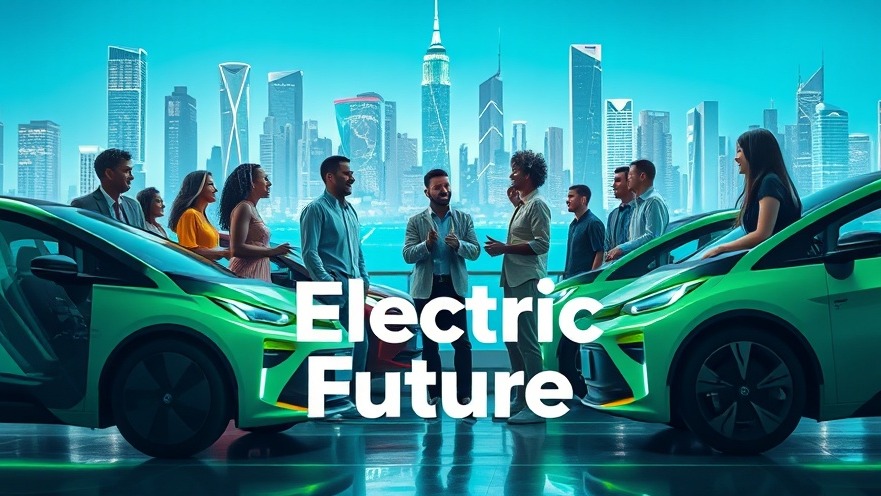
Diverse people discussing electric vehicles in a vibrant urban setting.


The Rise of Electric Vehicles: Uncovering the Top Trending EV Companies in 2025

2025 marks a pivotal moment for the electric vehicle (EV) industry, and if you're paying any attention to the tech world or the automotive sector, it's hard to ignore the buzz. With an astounding growth of organic traffic to various EV companies, the landscape is shifting, and some names are starting to rise above the others. They say that knowledge is power, and in the fast-paced world of electric mobility, knowing which companies are making strides could not only help you with decisions but could also open your mind to future marketing opportunities.

Understanding Organic Traffic Growth: Why It Matters

We analyzed data from over 8,000 websites, pinpointing companies that are not just surviving but thriving. The organic traffic growth to their websites acts as a barometer for momentum—indicative of increasing brand awareness, customer interest, and savvy marketing strategies. In practice, this translates to opportunities: knowing who’s trending offers businesses an edge in aligning with the most promising players in the EV market.

Top Five Trending EV Companies of 2025

Leading the charge is **GreenV**, a tech and service provider that has exploded onto the scene with a whopping 16,380% increase in organic traffic. If that doesn’t get your attention, what will? Next is **Vayve Mobility**, positioned as an EV maker with an impressive 5,367% growth, followed by **ZEEKR**, showcasing a similarly remarkable rise of 3,848%. Other noteworthy entrants include **EN Plus Tech** (2,742%) and **EV Joints** (2,629%).

Growth Drivers: What Makes These Companies Stand Out?

Each company's rise can often be attributed to innovative technology, sustainability practices, and strategic partnerships. For instance, ZEEKR focuses not only on electric cars but also integrates AI-driven technologies to enhance user experiences. Meanwhile, companies like GreenV emphasize the technology behind EVs that ensures both performance and safety—attributes that resonate strongly with today’s eco-conscious consumers.

Shifts in Consumer Behavior: An Insight into the EV Market

The growing consumer interest in electric vehicles correlates with several broader societal trends. As governmental incentives shift and the discourse around climate change intensifies, many people are reevaluating their purchasing choices. EVs are not just transportation vehicles; they are becoming symbols of social responsibility and innovation. As noted in the reference articles, the expected decline in EV prices will make them even more enticing for the average consumer.

Future Predictions: Electric Vehicles on the Horizon

Looking ahead, 2025 will see continued growth not just in EV sales but in supporting technologies like charging infrastructure and battery efficiency. The anticipated advancements in battery technology—including solid-state batteries—promise to extend range while decreasing costs. According to experts, the global EV sales could skyrocket to 85 million, with China remaining at the forefront of the market. Marketers should keep an eye on these developments and adapt their strategies accordingly.

The Role of Marketing in the Evolving EV Landscape

As online marketers, your strategies need to reflect the rapid evolution of consumer preferences. Engaging storytelling, maximized online visibility, and harnessing data will be crucial in effectively reaching target audiences. Understanding the top players and bolstering brand narratives through strategic SEO practices will become more critical than ever as the market matures.

Conclusion: Why Staying Informed Matters

In a world moving towards electrified transport, keeping tabs on the industry's pace is like having a roadmap. As we've explored, tracking the top trending EV companies and understanding the factors behind their success can lead to better marketing decisions and propel your business into future-focused campaigns. 2025 is not just another year; it’s a gateway to change, and those who adapt will thrive.


AI SEO NEWS

0 Comments

Write A Comment

*
*
Related Posts All Posts
02.13.2026

Harnessing AI and Navigating Google Volatility: Strategies for Small Business Success

Update Understanding Google Volatility: A Small Business Owner's Concern In the realm of digital marketing, few elements can ignite anxiety quite like the unpredictability of search engine rankings. This past week, Google experienced notable ranking volatility, perplexing many small business owners striving for visibility in an ever-changing digital landscape. Understanding the factors behind this volatility is critical for marketers and agencies keen on helping small businesses navigate these turbulent waters. Lessons from Bing: Embracing AI Performance Reports In contrast to Google’s fluctuating metrics, Bing has introduced AI Performance Reports, showcasing a structured approach to analytics that emphasizes clarity. By leveraging advanced data visualization and insights, Bing’s new offerings empower businesses to monitor their performance effectively. For small businesses, optimizing their presence on Bing alongside Google can help mitigate risks and diversify their digital marketing strategies. The Rise of AI in Advertising: A Game Changer for Small Businesses As AI begins to permeate the advertising landscape, Google’s introduction of new retail ad units optimized for AI Mode signals a pivotal shift for marketers. These units not only enhance product visibility but also streamline the checkout process through UCP-powered functionalities. Small business owners should consider integrating these tools to enhance their marketing efforts, providing a more seamless shopping experience for their customers. Future Predictions: What’s Next for Search Engines? Looking ahead, the search engine landscape appears poised for further transformation. The recent launch of user ad controls for ChatGPT ads signifies a broader trend towards empowering advertisers. As companies attempt to bypass traditional ad agencies by creating ads directly, small business owners may find new opportunities to build more personalized campaigns. Adaptability will be key in staying ahead of these trends and capturing consumer attention. Frequently Asked Questions About Recent Changes As we navigate through these updates, small business owners might have several questions. How should they respond to Google’s ranking volatility? What strategies can they employ to better utilize Bing’s AI Performance Reports? Understanding how to leverage new advertising formats while maintaining brand integrity is essential. Engaging with marketing experts can help demystify these changes and empower businesses to thrive. Take Action: Seize Opportunities in an Evolving Marketing Landscape As AI reshapes the advertising world, small business owners and marketers are encouraged to take action. Explore AI-enhanced marketing tools and stay abreast of updates that can impact your strategy. By embracing change and equipping yourselves with knowledge, you can capture new opportunities that arise in this dynamic environment.

02.12.2026

How Google Shopping Ads in AI Mode Revolutionize Marketing for Small Businesses

Update Revolutionizing Advertising: Google's AI Mode Shopping Ads In an era defined by rapid technological advancement, Google's new AI Mode for shopping ads marks a significant transition in advertising. The company’s latest rollout has transformed conversational search from an experimental feature to a cornerstone of its ad strategy. Advertisers must now adapt their campaigns, utilizing contextual relevance to effectively reach consumers, who increasingly prefer dynamic, personalized interactions over traditional static ads. The Implications for Small Businesses and Marketers For small business owners and marketers, this pivotal change comes with both challenges and opportunities. With ads now appearing seamlessly within AI-generated content, especially during conversational searches, businesses have the chance to showcase their products more integrated into the shopping experience. Understanding these changes is crucial; ads will not solely depend on historical data but will draw from the context of real-time user queries. This emphasizes the importance of flexible advertising strategies that leverage Google’s AI-enhanced capabilities. AI-Driven Checkout: Enhancing Consumer Experience Google's UCP-powered e-commerce checkout is designed to streamline the purchasing process within AI Mode. This feature enables consumers to make purchases directly through interactive AI platforms such as Gemini, showcasing products from major retailers like Etsy and Wayfair. Small businesses should take note: optimizing their product feeds is vital to ensure visibility within this rapidly evolving framework. Error-free, rich-detail feeds tied into Performance Max campaigns will likely enhance a site's ability to appear prominently in AI-generated suggestions. OpenAI’s Perspective on Ad Creation OpenAI’s recent interviews unveil its parallel ambition for the advertising domain. The push for advertisers to create their own ads directly in platforms like ChatGPT reflects a significant shift toward reducing reliance on traditional marketing agencies. This not only democratizes creativity but also encourages smaller players in the market to engage directly with consumers, leveraging AI tools to craft compelling ad campaigns that resonate more intimately with specific audiences. AdSense Triggers and Enhanced Metrics The recent additions to Google AdSense, including new triggers for vignette ads, is another development for marketers to consider. These triggers, which allow ads to respond to specific user behaviors, provide an enhanced level of granularity in measuring ad performance. For marketers dedicated to maximizing ad spend, these nuanced adjustments offer exciting new avenues to capitalize on audience behaviors. Challenges Ahead: Regulations and Consumer Privacy Yet, as we embrace these advancements, notable concerns bubble to the surface, notably around consumer privacy and ethical advertising practices. With rising scrutiny from lawmakers like Senator Elizabeth Warren, advertisers must balance innovation with responsibility. Google insists on practices to prevent merchants from inflating prices for visibility under its ad services, yet trust will be a lasting concern as AI becomes ubiquitous in consumer transactions. In summary, the landscape of digital marketing is shifting dramatically as AI capabilities redefine the way ads are created and consumed. For small business owners and marketers ready to embrace these changes, learning to navigate this new world of contextual, AI-driven advertising could unlock unprecedented opportunities for growth and visibility. As you strategize your next move, consider how these insights into AI's influence on marketing can revamp your approach. Stay ahead by engaging with these tools—your market potential is vast and waiting to be explored.

02.12.2026

ChatGPT’s 12% of Google’s Search Volume: What This Means for Marketers

Update ChatGPT and Google: A Digital Duel for Your Attention Hold onto your keyboards, folks! The world of search engines is shifting in a way reminiscent of a changing tide. ChatGPT has made impressive strides, capturing about 12% of Google’s search volume. Yes, you read that right—12%. Yet, it’s still a tiny fish in the gigantic pond of Google, which directs an astounding 190 times more traffic to various websites than ChatGPT can muster. This revelation opens the floor to some key questions about the evolution of searches, websites, and even the future of AI integrations in digital marketing. Understanding the Search Landscape So what does 12% really mean? As of July 2025, ChatGPT processes around 2.5 billion prompts daily, while Google handles a head-spinning 13.7 billion. This staggering volume showcases how ingrained Google is in our everyday online habits. However, it’s crucial to note that ChatGPT’s format encourages more of a conversational engagement rather than being a direct pathway to web traffic. For every query in ChatGPT, a whopping 8.33 queries are performed via Google. This pointedly reflects how different these two platforms operate—one thrives on keeping users engaged in conversation and the other on guiding them to external resources and websites. Website Traffic: The Big Gap If you're a marketer or a business owner, you should care about this gap. Google sends nearly 40% of the traffic that sustains websites today, while ChatGPT lags behind at a mere 0.21%. This isn’t just a trivial statistic; it’s a signal of changing online habits and trends. People may like using ChatGPT for quick answers and conversational input, but when they need to dig deeper, search engines that lead to website links are still the gold standard. The Significance of Click-Through Rates Ever heard of CTR (Click-Through Rate)? Well, prepare for a reality check—ChatGPT’s CTR is an eye-popping 96% lower than Google’s. This information could make or break your marketing strategy moving forward. It signifies that even though ChatGPT can answer queries, it isn’t as effective in motivating users to take subsequent actions, such as visiting a website. One could argue that if AI search platforms like ChatGPT are indeed the future, website traffic, as we know it, might face a significant downturn unless adaptation occurs. AI Search: Advantage or Threat? The rise of AI search tools introduces new dimensions and challenges for traditional SEO practices. Marketers may need to reconfigure strategies to adapt to this new landscape dominated by conversational search. ChatGPT is more popular among younger demographics, especially for complex queries that require creativity or personalized engagement. This demographic shift emphasizes a growing preference for conversational interfaces over classic search methods. Common Misconceptions That Could Hurt Your Strategy A misconception many marketers have is that optimizing for ChatGPT is similar to traditional SEO practices. Not quite! While keywords still play some role, how users interact with AI search is fundamentally different. Focusing too heavily on traditional methods might render your efforts ineffective. Understanding user intent is pivotal; after all, using AI for advice or perspective is quite different from straightforward Google searches for product details. The Road Ahead: Opportunities and Challenges Although ChatGPT has made notable inroads, the question remains: Is it enough to steer traffic away from Google? Predictions for the future indicate that as AI continues to evolve, the strategies for engaging with it will also need to adapt. As marketers, the best approach could be blending traditional SEO with emerging AI techniques, striking a balance that accommodates both conversational networks like ChatGPT and traditional engines like Google. Keeping an eye on engagement metrics, especially session duration, will become paramount. Conclusion: Isn’t it Time to Adapt? Despite ChatGPT’s growing prominence—it now surpasses Bing—the digital marketing landscape is still anchored heavily in Google’s multi-faceted capabilities. For all you marketers and business enthusiasts out there, the takeaway is clear: staying updated on search trends and adapting your strategies is crucial. Interested in learning how to make your approach more adaptable and forward-thinking? Join our newsletter to get insights, trends, and digital marketing strategies delivered directly to you!

Terms of Service

Privacy Policy

Core Modal Title

Sorry, no results found

You Might Find These Articles Interesting

T
Please Check Your Email
We Will Be Following Up Shortly
*
*
*