
Add Row
Add Element
cropper
update
Ai SEO Podcast
update
Add Element
  • Home
  • Categories
    • Lead Generation
    • Ai Content Creation
    • Cast Studies
    • Ai SEO Tools
    • SEO For Beginners
    • SEO TRENDS
    • RANKING WITH AI
    • AI CONTENT STRATEGIES
    • AI SEO NEWS
    • AI SEO Experts
    • Extra News
May 08.2025
3 Minutes Read

Unlock Marketing Insights with Google Ads New Chart Features

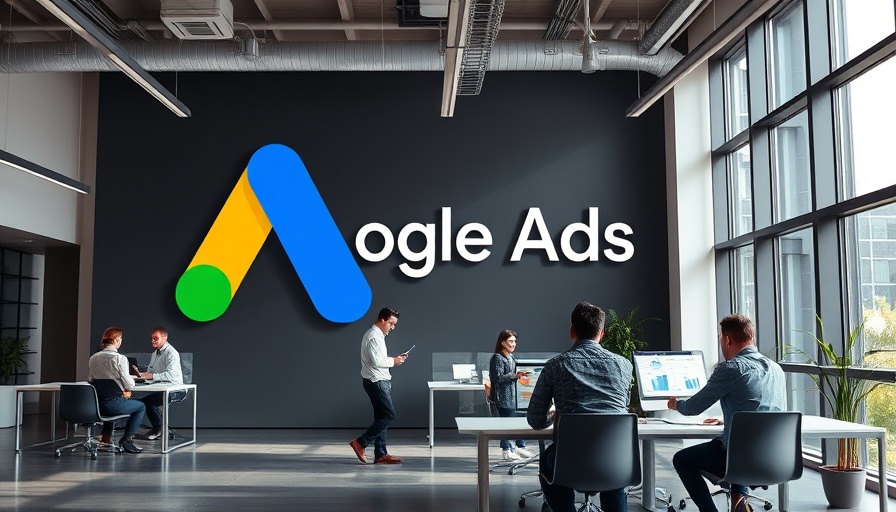
Modern office with Google Ads charts and analytics features.

Revolutionizing Data Visualization: Google Ads New Chart Features

On May 8, 2025, Google Ads took a significant leap forward in its data presentation capabilities by launching a suite of new chart types, including the stacked bar chart, stacked column chart, combo chart, stacked area chart, and 100% stacked area chart. These developments are poised to enhance the way small business owners, marketers, and agencies interpret advertising metrics.

Empowering Business Decisions: The Benefits of New Chart Types

Understanding data is crucial for optimizing ad performance. The 100% stacked bar and column charts allow users to visualize metrics across multiple dimensions, facilitating a clearer analysis of campaign performance. For instance, these types of charts can support situations where a business wants to compare the success of various ads targeted at different customer segments. With the ability to handle multiple metrics or dimensions, these tools empower small business owners to make informed decisions based on visual data rather than relying solely on numerical data that can often be challenging to interpret.

The Combo Chart: A Comprehensive View of Metrics

Marketers will find the new combo chart particularly useful. This chart supports up to five column metrics and five line metrics, making it ideal for tracking progress over time. For businesses seeking to optimize their advertising spend, this feature allows for a nuanced understanding of how different marketing strategies are performing across various timeframes. This enriched perspective could significantly influence a marketer's approach to campaign adjustments and budgeting.

Addressing the Challenge of Data Overload

With the overwhelming amount of data available in digital marketing today, the introduction of these new chart types is timely. They don’t just present information; they tell a story. By offering a clearer visualization of complex data sets, Google Ads is making it easier for users to discern patterns and insights that were previously buried under spreadsheets and reports. As small businesses compete against larger companies with dedicated analytics teams, these tools can level the playing field by providing intuitive insights that inform strategies.

The Future of Data Visualization in Advertising: Trends and Predictions

As businesses increasingly migrate online, the data visualization tools they employ will need to evolve. Future predictions indicate that the integration of AI technologies will further streamline data analysis processes, making these new chart features just the beginning. AI could enhance user experience by automatically suggesting optimal chart types based on the data being analyzed, potentially providing insights in real time as campaigns are launched.

Maximize the Value of Your Ads with New Features

To fully leverage the potential of these new chart types, marketers should consider incorporating them into their regular reporting practices. Beyond merely adapting to changes, embracing these innovations will allow small businesses and agencies to approach data not just as numbers, but as stories that drive powerful marketing narratives. The ultimate goal should be to use these insights to make data-driven decisions that resonate with target audiences and ultimately lead to growth.

Conclusion: Taking Action to Optimize Your Marketing Strategies

In a landscape where data is increasingly crucial, having the right tools can make all the difference. Small business owners and marketers must embrace the new Google Ads chart features not just to stay relevant, but to proactively elevate their marketing strategies and ensure they are making informed decisions.

For those looking to improve their online marketing strategies, now is the perfect time to explore these new capabilities within Google Ads and see how they can be integrated into your daily operations. By turning data into actionable insights, businesses can innovate and thrive in a competitive market.

AI SEO NEWS

Write A Comment

*
*
Related Posts All Posts
12.11.2025

Unlocking Google Discover: How Small Publishers Can Thrive in 2025

Update Understanding Google Discover's Role in Digital Marketing As digital marketing rapidly evolves, Google Discover has emerged as a game-changer for content distribution, especially for small businesses. Unlike traditional search results, which heavily favor established brands with high domain authority, Google Discover curates content based on user preferences and engagement. This means a smaller publisher can have their high-quality, engaging content highlighted in users' feeds, despite having little to no visibility in standard Google Search results. The Shift Toward Less Corporate Content During a recent presentation by Google’s Andy Almeida, it was emphasized that Google Discover is designed to promote content from smaller publishers, which marks a significant shift in strategy. In the past, larger publishers dominated the landscape, but the new directive aims to democratize content visibility. Almeida hinted that Google is prioritizing diverse voices to ensure a richer collection of narratives, thereby enriching the content ecosystem. Traffic Trends: Discover vs. Traditional Search Data reveals a striking trend: traffic from Google Discover has started to surpass traffic from traditional Google Search for certain publishers. For example, The Hill now acquires more traffic through Discover than via conventional search. This shift underscores the importance of adapting strategies to tap into this new traffic source, as businesses seek to leverage Google Discover more effectively. Why Small Publishers Aren't Left Behind The minimal alignment between Google Discover and Search ranking makes it easier for newcomers or less established entities to make headway in the crowded digital landscape. As noted in the insights shared by Laura Hazard Owen from Nieman Journalism Lab, the conventional metric of high SEO ranking does not guarantee success on Discover, allowing fresh and innovative smaller publishers to thrive. Potential Risks and Challenges for Content Creators While this newfound opportunity for small publishers is promising, it comes with risks. The challenge of spamming remains prevalent, as the minimal alignment of Discover with search rankings can lead to the proliferation of low-quality content that might manipulate the system. Google's acknowledgment of spam threats indicates the need for continuous refinement of the algorithms governing Discover content. As marketers, it's essential to stay ahead of these trends by focusing on genuine user engagement rather than mere visibility. Getting Ahead: Best Practices for Engaging Content For small business owners and digital marketers, understanding how to leverage Google Discover effectively is imperative. Publishers are advised to focus on creating high-quality content that resonates with their audience. This includes avoiding inflammatory headlines and ensuring that the core message is clear and authentic. Timing also plays a crucial role; experimenting with different publication times may unlock greater visibility within the Discover platform. Embracing AI to Enhance Marketing Efficiency As the landscape of content discovery continues to shift, integrating AI tools can offer extraordinary possibilities for small publishers. From analyzing user engagement patterns to optimizing content creation seamlessly across platforms, AI can facilitate more personalized and effective marketing strategies. By harnessing the power of AI, marketers can elevate their approach to fitting content into Discover, ensuring they capture their audience’s attention in a meaningful way. In conclusion, as Google seeks to diversify the types of content that appear in Discover, small business owners and marketers have a unique opportunity to craft their narratives and draw significant traffic from this less-conventional source. So, start experimenting and adapting your content strategy today—utilizing the power of Google Discover could be your next marketing breakthrough.

12.11.2025

Navigating Google and Bing’s New SEO Strategies for Small Businesses

Update Understanding Google’s New Approach to Core Updates On December 10, 2025, the digital marketing community buzzed with news from Google about its updates. Google's announcement that it implements core updates more frequently without public acknowledgment signals a more fluid and less predictable landscape for SEO professionals. This change aligns with Google’s ongoing evolution, as smaller updates can significantly impact rankings without the usual hype, effective immediately after being launched. The Changing Dynamics of Google Discover Another pivotal announcement was regarding Google Discover. Historically, Discover’s alignment with search rankings has been a critical point of focus for marketers. However, Google's own admission of “minimal alignment” raises several eyebrows. This could indicate a shift toward more personalized and AI-driven content recommendations that may not mirror traditional search results, creating fresh challenges for content creators and marketers eager to maintain visibility. Examining the Integration of Google Ads Advisor The integration of Ads Advisor into Google Ads contact support page signifies an important step toward enhancing user experience. For small business owners, navigating through advertising policies can be daunting. With Ads Advisor, individuals can receive tailored support more efficiently, which could illuminate pathways for better ad performance and result in substantial cost savings. Bing’s Experiment with Ad Labels: A Game Changer? Across the digital marketing spectrum, competition remains fierce, especially between Google and Bing. Bing's experiment with ad labels moving to the right side of ads is a strategic move aimed at enhancing visibility. While the effectiveness of such changes remains to be seen, small businesses must stay vigilant. Experimentation in ad positioning could influence click-through rates and user engagement metrics, essential for any advertising strategy. Leveraging Structured Data Properly for Google Shopping With regards to Google Shopping, the warning on the use of JavaScript-generated structured data serves as a critical reminder for marketers. Properly formatted structured data is crucial in optimizing product visibility. Failure to adhere to these guidelines could impact how quickly Google’s crawlers classify and showcase their products, ultimately affecting sales. Small businesses must be proactive in ensuring their schema markup meets Google's rigorous standards. Future Trends: AI’s Role in SEO and Beyond As we look ahead, the intersection of AI and SEO becomes ever more important. With tools becoming increasingly advanced, small businesses that adopt AI-driven insights can gain a competitive advantage. ChatGPT, for example, exemplifies how AI can facilitate tailored user interactions. The utilization of AI for predictive analytics and improving customer engagement can not only streamline marketing efforts but also foster deeper connections with consumers. Conclusion: Navigate the Evolving Digital Landscape As challenges in the search landscape evolve, so should your strategies. Staying informed and agile in response to these changes will empower small business owners and marketers to harness digital trends effectively. Embracing AI-driven solutions can significantly enhance your approach to online marketing, leading to increased efficiencies and consumer connections. For small business owners and marketers, understanding and adapting to these digital marketing shifts is paramount for future success. Leverage the insights provided in this article to stay ahead of the curve and drive your marketing strategies forward in today’s ever-changing landscape.

12.09.2025

Google's Next Core Update: What Small Businesses Should Prepare For

Update The Anticipation of Google’s Upcoming Core Update In a recent announcement from John Mueller during the Google Search Central Live event in Zurich, it was revealed that another important core update is on the horizon for Google Search users and marketers alike. The update, though still in the works, has sparked discussions among small business owners, marketers, and digital agencies who are eager to understand its implications for their online presence. Core updates—substantial changes made to Google’s search algorithm—are essential for enhancing the search experience and improving the quality of results. The June 2025 and March 2025 updates demonstrated Google’s commitment to continuously refining its search algorithms, leading many to wonder how the forthcoming update will shape search behaviors and the visibility of their websites. Mueller hinted that the new update could roll out soon, awaiting its launch, preferably not during the busy holiday season. Why Core Updates Are Significant for Small Businesses The announcement of a new core update is particularly significant for small businesses navigating the complex digital landscape. It directly impacts how websites rank in search results, which can determine their visibility and customer reach. Businesses that take proactive steps to enhance their content and optimize their online strategies can benefit significantly from the updates. For instance, in the past, businesses that adjusted their content before a core update saw ranking improvements. Google’s documentation emphasizes that site owners making meaningful content improvements may experience changes in their rankings even before the next major update. This assertion was echoed in recent updates which confirmed that smaller algorithmic tweaks occur continuously and can influence search rankings. Navigating the Changes: Tips for Marketers As marketers and businesses prepare for the upcoming core update, here are some actionable strategies to enhance their online presence: Focus on Quality Content: Ensure your website content is clear, valuable, and user-friendly. Google favors content that addresses user needs and enhances their search experience. Monitor Analytics: Use tools like Google Search Console to monitor performance and analyze metrics that reflect user engagement with your site. Stay Informed: Regularly follow updates on Google’s algorithms and participate in forums to gather insights and share experiences with other professionals. Future of SEO with Ongoing Algorithmic Adjustments The digital marketing landscape continues to evolve rapidly, making every business’s adaptability crucial. With the count of algorithm updates reaching into the thousands each year, businesses cannot afford to become complacent. This continuous adjustment cycle not only offers challenges but also opportunities for those quick to adapt. The previous core updates in 2025, like the June core update and the August spam update, reflect Google’s relentless pursuit of improving search result quality. As we anticipate the next major update, businesses should be prepared, adopting flexible website strategies tailored to shift with Google’s enhancements. Inspirational Insights from Industry Leaders Industry experts often emphasize that success in digital marketing stems from active engagement, continuous learning, and a willingness to adapt to change. As articulated by SEO leader Barry Schwartz, the ability to pivot and refine strategies in light of new updates is essential for staying ahead. Marketers must view Google’s updates not as obstacles but as opportunities to refine and elevate their brand’s digital footprint. Call to Action As we gear up for the anticipated Google core update, it’s time to evaluate your digital strategies. Consider what improvements can be made to your content and online visibility. Engaging with your audience meaningfully could provide a significant edge in your online marketing efforts. Why not start today and prepare for a transformative digital future?

Terms of Service

Privacy Policy

Core Modal Title

Sorry, no results found

You Might Find These Articles Interesting

T
Please Check Your Email
We Will Be Following Up Shortly
*
*
*