
Add Row
Add Element
cropper
update
Ai SEO Podcast
update
Add Element
  • Home
  • Categories
    • Lead Generation
    • Ai Content Creation
    • Cast Studies
    • Ai SEO Tools
    • SEO For Beginners
    • SEO TRENDS
    • RANKING WITH AI
    • AI CONTENT STRATEGIES
    • AI SEO NEWS
    • AI SEO Experts
    • Extra News
August 17.2025
3 Minutes Read

Building an Effective Martech Stack 2025: Insights and Tools for Growth

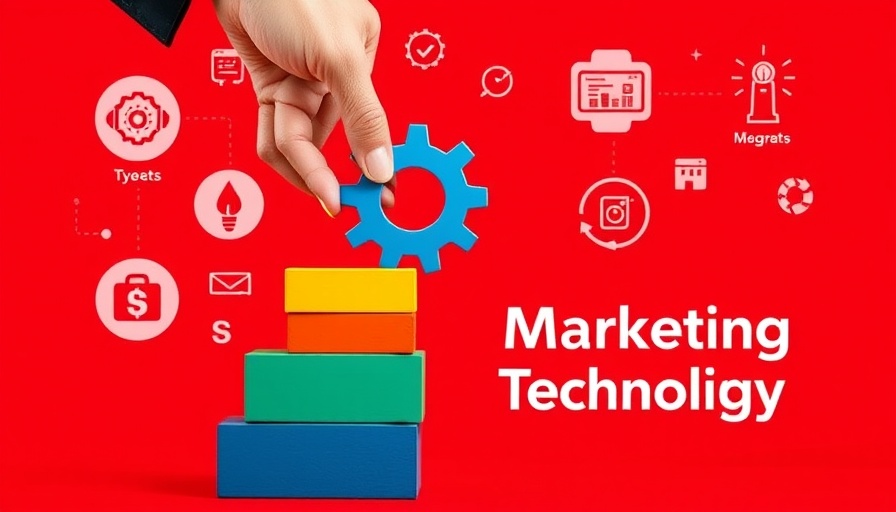
Illustration of martech stack for 2025 with gear and icons.

Crafting Your Ideal Martech Stack: The Road Ahead for 2025

Building an effective marketing technology (martech) stack in 2025 extends beyond the mere assembly of disparate tools; it represents a transformative approach to optimizing marketing performance. This year, businesses are directed to select solutions that not only enhance technological efficiency but also close data gaps—crucial for sustainable growth in an ever-evolving digital landscape. An adept martech stack empowers organizations to streamline their processes, refine customer targeting, and generate measurable outcomes through every marketing engagement.

Understanding the Martech Stack: What It Means in 2025

At its core, a martech stack integrates various technologies that marketers leverage to strategize, execute, and monitor both online and offline campaigns. Common elements include customer relationship management (CRM), marketing automation tools, analytics solutions, content management systems, and performance monitoring mechanisms. The critical goal is to construct a seamless marketing infrastructure that enables cohesive campaigns with reduced manual intervention.

In 2025, the integration of martech across departments is more imperative than ever, ensuring that every customer interaction is informed by data. Flexibility remains paramount in stack assembly; with no single tool offering complete effectiveness, marketers should aim to blend the best-in-class platforms tailored for each learning curve of the marketing funnel.

Core Elements Each Martech Stack Must Contain

To succeed in today's dynamic marketing environment, your technology framework requires a balanced mix of foundational and advanced tools. Here is a concise overview of essential products that will boost your stack's performance in 2025:

CRM and Marketing Automation: Your Foundation

The heart of any successful martech stack hinges on its CRM platforms. They are designed to compile, manage, and analyze leads, customer interactions, and sales prospects in a single location. When paired with marketing automation capabilities, these systems facilitate lead nurturing, segmentation, and data analytics, automating routine actions such as email sequences and lead scoring. Modern solutions must effectively manage vast datasets, integrate flexibly with outside databases, and safeguard customer data while propelling pipeline growth with AI-driven strategies.

Analytics for Real-time Insights

Beyond foundational tools, analytics software is vital for delivering insights that fine-tune marketing approaches in real time. These applications monitor crucial metrics that include website traffic, conversion rates, advertising performance, and content efficiency. With detailed reporting, teams can ascertain which methods yield the best return on investment and make necessary rapid campaign adjustments. Analytics platforms should incorporate customizable dashboards and predictive analytics, facilitating a unified understanding of the customer journey by bridging data from all channels.

Emerging Trends in Martech That Will Shape 2025

As we move through 2025, several trends will significantly influence the landscape of martech:

Integrating AI Across Platforms

Artificial intelligence is poised to redefine martech stacks by automating decision-making processes and offering enhanced personalization in campaigns. By integrating AI with CRM and analytics, businesses can expect improved insights into consumer behavior, resulting in more effective marketing strategies.

Focus on Customer Data Privacy

With escalating concerns surrounding customer data privacy, businesses must embed security features throughout their martech stacks. As regulations tighten, marketers must prioritize transparency and consent to maintain trust and compliance, enhancing customer relationships through ethical marketing practices.

The Future of Marketing: Adapting Your Strategies

For organizations aiming to thrive in the future of marketing, understanding the components of a robust martech stack is integral. This approach not only streamlines marketing processes but also enables brands to scrutinize customer interactions through a data-driven lens. Evaluating the inclusion of advanced solutions such as AI, predictive analytics, and privacy-centric technologies will surely set businesses apart from the competition.

Conclusion: Taking Action Towards Your Ideal Martech Stack

To move towards creating a fully integrated and efficient martech stack, organizations should critically assess their current technologies and gaps. Hands-on evaluation of the solutions available in the market today can reveal potential partnerships and integrations that will accelerate marketing performance significantly.

Stay updated on the latest trends and tools required for building an effective martech stack tailored specifically to your organizational needs, ensuring you remain resilient in this fast-paced digital world. By taking swift and informed action today, businesses can shape the future of marketing effectively.

AI CONTENT STRATEGIES

0 Comments

Write A Comment

*
*
Related Posts All Posts
02.20.2026

Unlocking the Future of Marketing Automation with AI for Enhanced Engagement

Update Transforming Customer Engagement Through AI-Driven Marketing In a landscape where businesses strive for deeper connections with their customers, the emergence of artificial intelligence (AI) is revolutionizing marketing automation. AI-infused strategies are enabling enterprises to bridge ambitious marketing goals with tangible results, enhancing efficiency and engagement at an unprecedented scale. With powerful tools at their disposal, organizations are moving from reactive to proactive engagement, ensuring tailor-made experiences for consumers. The Game-Changing Impact of AI Marketing Strategies Adopting an AI-driven marketing strategy is not just a luxury—it's a necessity for businesses aiming to align closely with evolving consumer needs. Data-driven platforms allow marketers to quickly gauge market trends and consumer preferences, enabling real-time strategy adjustments. This agility helps ensure campaigns support broader sales targets and respond dynamically to digital shifts, making personalized engagement seamless. The integration of AI empowers marketing teams to switch from guesswork to insight, yielding a significant competitive advantage. Seamless Implementation for Rapid Results Effective execution is crucial for capitalizing on marketing strategies, and AI-driven platforms excel in this aspect. By enabling immediate implementation with no onboarding lag, companies can swiftly transition from ideas to results. Automated systems can manage content creation, scheduling, and cross-channel messaging with precision, allowing marketers to devote their energies to high-impact creative endeavors rather than repetitive manual tasks. This increased focus contributes not only to greater efficiency but also to improved ROI on marketing campaigns. Unlocking Growth with Marketing Audits Regular marketing audits powered by AI technology provide businesses with insights into both opportunities and inefficiencies within existing campaigns. These audits delve deep into analytics and campaign performance, highlighting areas for improvement. By leveraging AI for auditing, teams can gain tailored recommendations that optimize spending and boost conversion rates, ensuring that marketing efforts remain aligned with industry standards. Abandoning traditional gut-feeling approaches in favor of data-driven insights enables marketers to achieve better benchmarks and results. AI Marketing Consultancy: Elevating Strategic Support AI marketing consultancy merges cutting-edge technology with expert insights, enabling businesses to optimize their marketing efforts further. By eliminating the need for costly full-time hires, companies can access top-tier strategic support that adapts to their operational requirements. Fractional CMO services offer organizations high-level expertise on a flexible basis, allowing even startups and smaller firms to harness the benefits of AI-driven marketing without a substantial investment. The Risk of Underestimating AI in Marketing Despite the significant advantages AI brings to marketing automation, there can be a misconception that it will completely replace the human touch. In reality, AI augments creativity and allows marketers to focus on strategic initiatives instead of tedious execution tasks. However, relying too heavily on automation without a thoughtful approach can lead to cold and impersonal interactions that might alienate customers. Companies need to strike a balance between automation efficiencies and personalized communication strategies. What Lies Ahead: AI's Role in the Future of Marketing As AI technology continues to evolve, its integration into marketing frameworks will only deepen. Businesses are already experiencing tangible improvements in customer service, engagement, and campaign performance due to AI advancements. The future suggests that AI will drive marketing evolution further into realms of predictive analytics and personalized experiences—enabling more meaningful interactions. Embracing this technology will not just prepare businesses for success in today’s landscape but also set the stage for future innovations. Call to Action: Take Your Marketing to New Heights To remain competitive, businesses must embrace AI-driven marketing automation. It’s essential to implement the right tools and strategies that resonate with your audience while saving valuable time and resources. By investing in AI, organizations can unlock not only operational efficiency but also foster stronger, more engaging customer relationships. Begin your journey into AI marketing automation today—connect with experts who can guide you through this transformative process!

02.19.2026

How Google's AI Mode Expansion to 53 Languages Benefits Businesses

Update Google's Global Reach: AI Mode Now Supports 53 Languages In an ambitious move that expands its reach to diverse populations, Google has announced that its AI Mode now works in 53 new languages, amounting to a total of nearly 100 languages supported. This monumental rollout aims to cater to over a billion people worldwide, facilitating more natural and conversational interactions with the search engine. Nick Fox from Google shared this exciting announcement on social media, highlighting the sheer scale and impact of this advancement in AI technology. Why Language Diversity Matters in AI The latest expansion isn’t just a technical upgrade; it symbolizes Google's commitment to inclusivity in an ever-globalizing world. Leveraging AI to communicate in users' native tongues fosters a closer connection with local communities and enhances user experience. By making its services available in languages like Amharic, Zulu, and Azerbaijani, Google is addressing the unique cultural and linguistic needs of its users. This move not only aids in accessibility but could potentially redefine how non-English speaking populations interact with technology. Innovations Behind the Expansion Powered by Google's advanced Gemini AI models, this expansion is underpinned by sophisticated natural language processing capabilities. As emphasized by industry analysts, behavioral shifts are evident—the queries users make through AI Mode are increasingly longer and more complex. For instance, instead of asking a simple question like 'weather in Paris,’ users are more likely to inquire about elaborate scenarios, reflecting a shift in how information is sought online. Thanks to the capabilities of Gemini, which can handle greater complexity, users can receive more tailored and nuanced responses, aligning AI technology with human conversational patterns. Competitive Landscape: Google vs. Emerging AI Technologies Google's rapid rollout of AI Mode positions it advantageously against competitors such as ChatGPT and Microsoft's Bing Chat. While these platforms offer strengths in conversational capabilities, they lack the extensive integration with the real-time web and local business listings that Google boasts. This differentiator is crucial, especially when considering that many users depend on Google Search as a primary resource for information. Google's comprehensive language support and the trust associated with its established search platform further solidify its leading position in the market. Potential Impacts on Small Business Owners and Marketers For small business owners and marketers, the implications of Google's expansion are significant. As AI Mode becomes prevalent across multiple languages, businesses can tap into new markets that were previously inaccessible. Utilizing localized search terms, companies can now optimize their online presence to attract an audience that prefers their native languages. This could involve integrating multilingual marketing strategies to engage effectively with diverse customer bases, enhancing visibility, and fostering loyalty. What’s Next? Predictions for AI Mode’s Future As Google fortifies its AI capabilities, it is likely that we will witness continued enhancements in how users interact with the platform. Future iterations may include even more languages and localized dialects, along with further refinements in understanding the contextual meanings of user queries. The increased reliance on conversational AI could indicate a transitional phase in search behaviors—ushering in an era where traditional keyword searches may become a relic of the past. Innovations in AI-driven shopping experiences and personalized user interactions will likely redefine the e-commerce landscape. Final Thoughts: Embracing the AI Revolution For businesses navigating the digital landscape, adapting to these advancements is essential. Embracing AI Mode not only broadens reach but also enables more meaningful engagement with consumers. By understanding and leveraging these technological shifts, businesses can position themselves for growth in an evolving market landscape. As the conversation around AI and its role in marketing continues to evolve, staying informed and adaptable will be critical for success. Stay ahead of these trends by considering how your business can leverage AI and multilingual engagement strategies to enhance your digital marketing efforts.

02.18.2026

Unlocking Marketing Success: The Essential Guide to Account-Based Marketing for High-Value Accounts

Update Revolutionizing Marketing Efforts: The Power of Account-Based MarketingIn today’s saturated market, businesses face the challenge of effectively targeting high-value clients amidst a sea of potential leads. Account-Based Marketing (ABM) stands out as a robust strategy that zeroes in on the select accounts that truly matter. This focused method eliminates the flaws of traditional broad approaches, allowing marketers to prioritize high-quality interactions over sheer volume, thereby ensuring greater efficiency and effectiveness in outreach.Understanding the Fundamentals of ABMAt its core, ABM redefines the traditional marketing funnel by concentrating on specific high-value accounts rather than casting a net over a broad audience. The process starts with defining your Ideal Customer Profile (ICP), a detailed blueprint of the optimal target, factoring in elements such as industry, company size, and revenue potential. This meticulous groundwork sets the stage for building targeted account lists that genuinely align with your business objectives.Personalization: The Heartbeat of ABMAs decision-makers increasingly expect tailored experiences, ABM empowers marketers to create messages that resonate deeply with high-value accounts. Through advanced analytics and data-driven insights, marketers can customize communication strategies at every stage of the buyer's journey, cultivating a sense of relevance that appeals to even the most discerning clients. Personalization isn’t just a trendy tactic in ABM; it is an absolute necessity.Leveraging Data for SuccessEffective ABM campaigns rest on the bedrock of data. By leveraging insights from past behaviors and existing records, marketers can identify opportunities for engagement and content delivery that capture attention precisely when interest peaks. Progressive marketers employ technologies such as AI-driven personalization tools and advanced CRM systems to monitor behaviors and engagement levels across target accounts.Implementing a Strategic FrameworkCollaboration between marketing and sales teams is essential for a successful ABM initiative. Insightful metrics and real-time updates derived from shared dashboards create unity, enabling both teams to execute a coordinated approach through customized messaging and campaign strategization. When this alignment is operationalized, organizations can see increased velocity in their sales cycles and win rates.Optimizing Resources and CostsEfficiency gains in ABM aren’t merely about consistent engagement; they translate into tangible savings as well. By prioritizing the right accounts and deploying targeted campaigns, businesses can optimize their resource allocation, ensuring high-quality leads without inflating costs. The integration of AI-driven marketing execution services enables companies to enhance output while maintaining budgetary constraints, making ABM a financially savvy approach.Maintaining Momentum: Content at Every StageAn effective ABM strategy executes precise targeted messaging at various touchpoints throughout the buyer journey. Understanding that each high-value account has a unique progression necessitates the delivery of tailored content that addresses specific pain points at every stage of engagement. From thought leadership articles to focused case studies, the content should cater to the unique interests and needs of the account to guide them along their purchase path.The Future of ABM: Trends to WatchAs the marketing landscape continues to evolve, the future of ABM will likely emphasize the integration of machine learning and sophisticated analytics to enhance targeting precision further. This evolution may involve utilizing real-time data to anticipate changes in buyer intent, allowing businesses to react instantly to prospects' evolving needs. Such innovations promise to maintain customer relevance and engagement at an unprecedented level.Conclusion: The Call to ActionABM stands as a powerful methodology in the arsenal of modern marketers, allowing for precision-targeted engagement with high-value clients. Its emphasis on personalization, strategic alignment, and data-driven execution cultivates deeper relationships that drive significant ROI. If your organization is ready to embrace this refined approach, consider exploring ABM solutions aimed at optimizing your marketing efforts for sustained growth and success.

Terms of Service

Privacy Policy

Core Modal Title

Sorry, no results found

You Might Find These Articles Interesting

T
Please Check Your Email
We Will Be Following Up Shortly
*
*
*